Now Loading...

閉じる

Shipping Schedule

Shipping takes place on 10:00 a.m. ~ 19:00 p.m. business days.
Shipping is not available on weekends and holidays.

Same Day Delivery

Same day delivery is available for orders submitted before 12:00 noon, payments by credit card, and with all items in stock.
Excluding weekends and holidays.

ギフトラッピングについて

全ての商品はギフトラッピングが可能です。「ギフト」画面からギフトラッピングを商品と一緒にご注文ください。

※セット数や受注状況により発送までに多少お時間をいただく場合があります。お急ぎの場合はご相談ください。

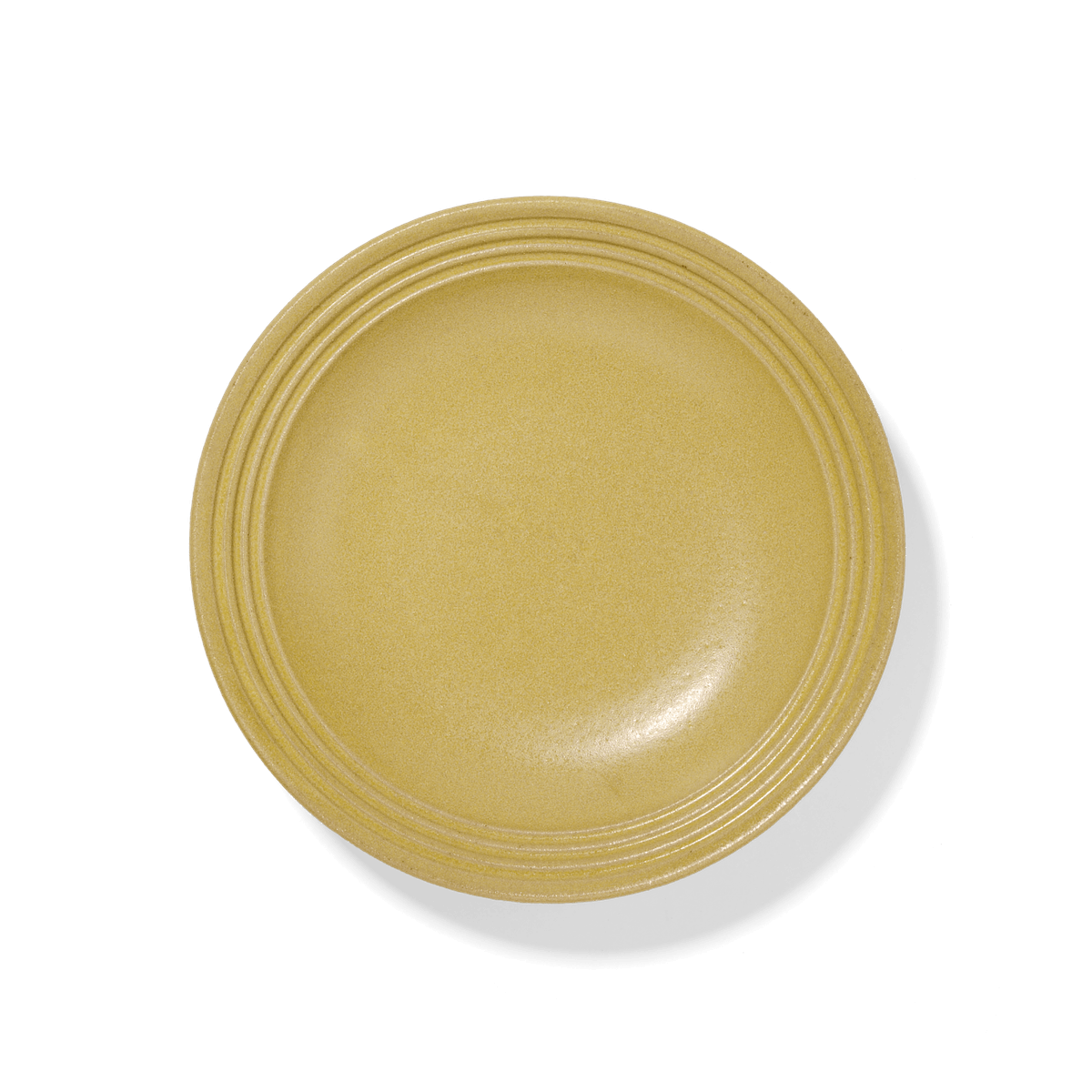
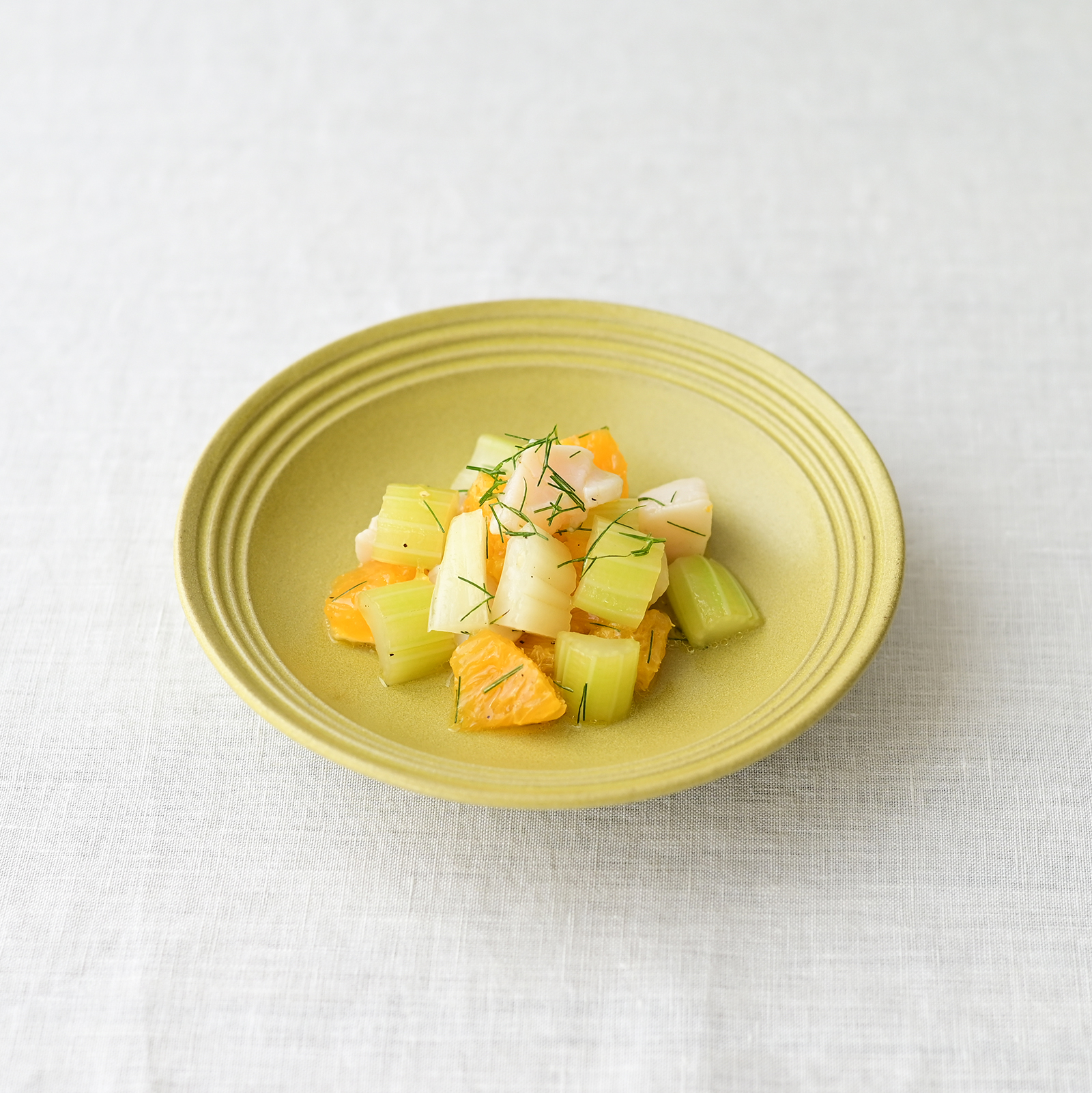
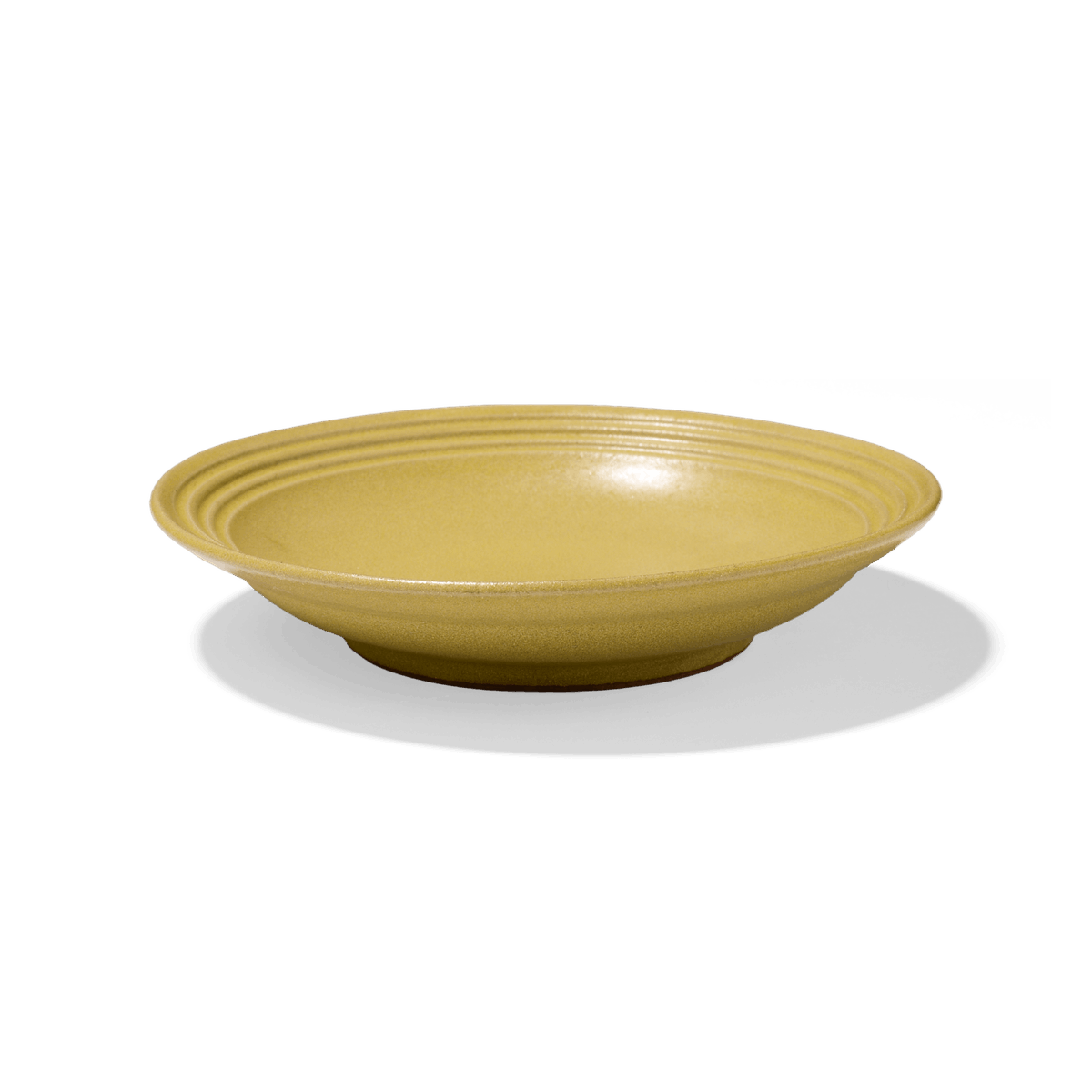
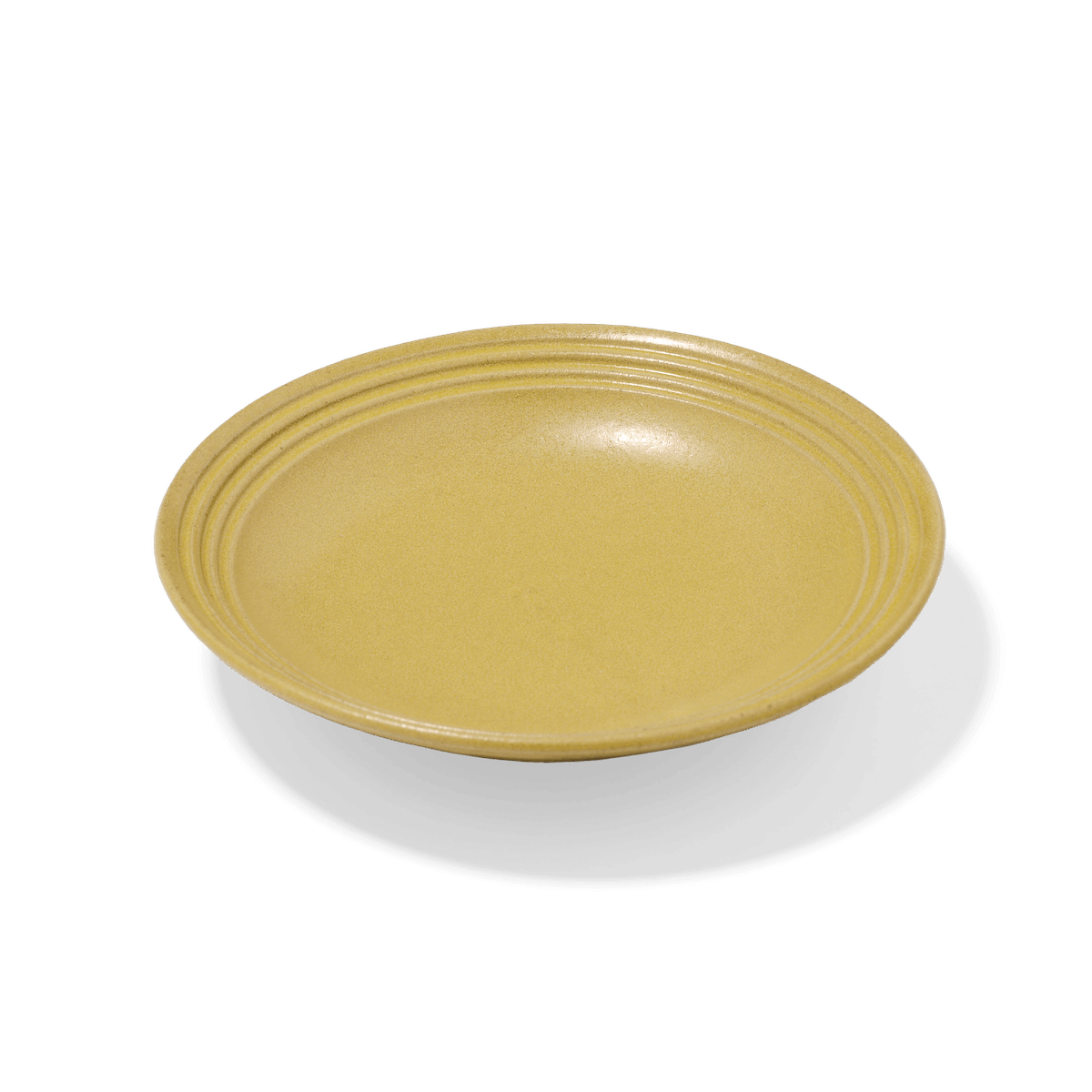
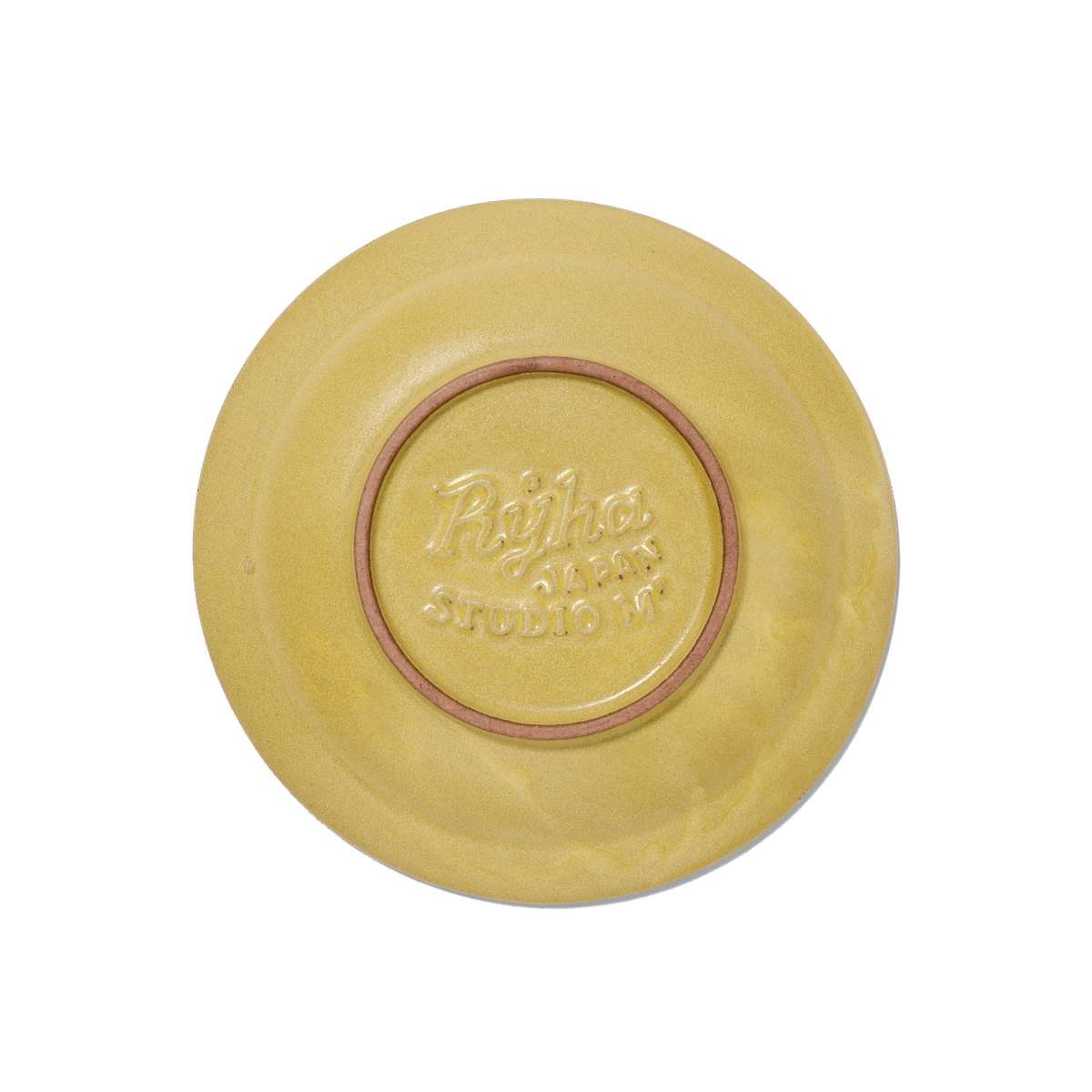
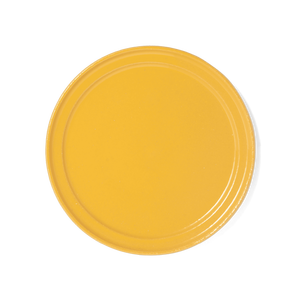
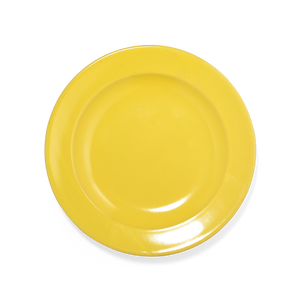
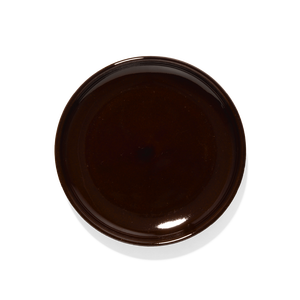
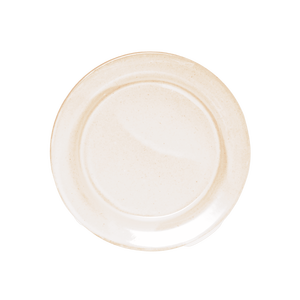
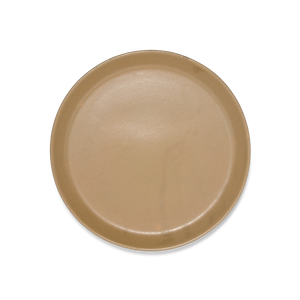
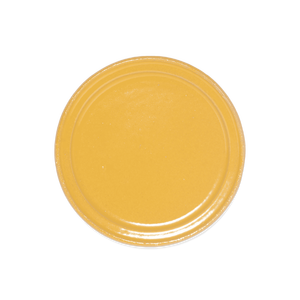
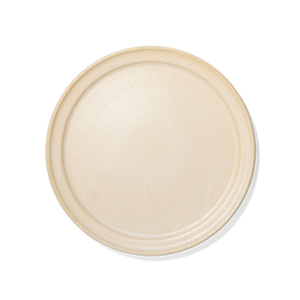
Ryha 150 plate

studio m'

  • $20.19
Color
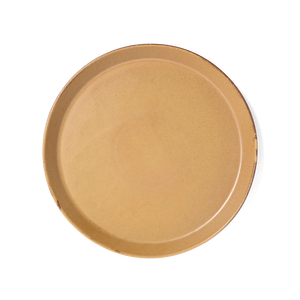
yellow
This product will be shipped on 2026/09/10
About Product Stock Display

About Product Stock Display

The stock displayed reflects the inventory available at Marumitsu Poterie Inc. headquarters.
Since orders are also placed through channels other than the web store, the displayed stock status is not updated in real-time.
In rare cases, even if your order is completed, the item may not be secured. Thank you for your understanding.

If you need the item urgently, our staff can check the availability for you. Please contact us using the link below.

Contact Us
    

Product Information

Size

φ:直径 / W:幅 / D:奥行 / H:高さ / L:長さ

( )の数字は有効寸法です。

※多少の誤差が生じます。

容量:110cc

※多少の誤差が生じます。

○内容量表示は、満水の状態で計測しています。

○蓋物の商品は使用するにあたり推奨する容量です。

○内容量表示は、概ねの目安として下さい。

Handling
  • Microwave Safe
  • About Microwave Safe

    A microwave oven heats or cooks food very quickly using short electromagnetic waves, namely, microwaves. In most cases, the microwaves heat the water content of the food. However, in some cases, the microwaves concentrate on the carbonized (burnt) parts of the food, causing the temperature to rise higher than the other parts. For example, the microwaves concentrated on the carbonized (burnt) parts of stir-fried vegetables can create a large temperature difference in /on the tableware item, which may cause breakage. In addition to water content, oil content is also heated. The oil has a higher boiling point than the water, so it heats up at a higher temperature, creating a very large temperature difference between the parts that contain oil and the parts that do not, which can cause breakage.

    ・Never soak hot tableware in water or place it on the cold kitchen counter. Avoid rapidly heating frozen foods or putting [the cold tableware just taken out of the refrigerator] in the microwave. A rapid change in temperature will lead to “crazing” (chaps) or breakage.

    ※The products with gold or silver paintings, or applied with particular glazes are not microwave safe. We put a “Do Not Microwave” sticker on those items, so please confirm it.

    ※Accessories etc., made of other materials are excluded from microwave safe items.

  • Not Oven Safe
  • Dishwasher Safe
  • Notes on dishwasher use

    As for the products without the "Not Dishwasher Safe" stickers, please make sure to use them keeping the below matters in mind.

    ※If tableware items collide each other in the dishwasher, they will get broken.

    ※Most ceramic items absorb water. Even if the surface looks dry, there may still be some water in the tableware, which may cause your tableware to get moldy or smelly. So, please take it out of the dishwasher immediately after use, and dry thoroughly in a place where it can be exposed to the outside air.

  • Not Open Fire
Features
  • Strong Color Shade Variations
  • Strong Color Shade Variations

    Each piece has strong individual color shade variations. Affected by glazes and natural firing conditions such as changes in temperature, humidity and other climate elements and also how to receive the fire in the kiln chamber, each piece has own expression. It is really difficult to make the completed ware exactly same in color by firing and glazing even when the same materials are used. 100 pieces show 100 kinds of expressions, as it were.

  • Strong Color Irregularities
  • Strong Color Irregularities

    There are strong color irregularities of applying a glaze or slip, which are different from part to part in a piece of ware. For example, some parts are glazed thinly or thickly depending on the shape of the ware. That leads to part-to-part differences in appearance of the clay in a piece of ware.

  • Glaze or Slip Drips
  • Glaze or Slip Drips

    The glaze or slip may look like dripping. There is unevenness of a glaze or slip when they are applied to ware by hand. There also appear glaze drips or slip drips, which are caused by the glaze or slip flows during firing.

  • Pinholes
  • Pinholes

    Pinholes may be seen clearly on the surface. Pottery (earthenware) is mainly made from earth, and green ware contains a lot of air while biscuit firing. While glazed firing, this air inside the biscuit ware becomes air bubbles, which remain and look like small holes on the surface of the glazed part. Those small holes are called pinholes.

  • Crazing (Chaps)
  • Crazing (Chaps)

    Crazing (having chaps) may appear clearly on the glazed part. The “direct” crazing means having chaps originally. The “aging” crazing means having chaps over time as you use the tableware item. There is a difference between the shrinkage rate of the glaze and that of the clay, so crazing occurs. Note that those cracks do not come from the damage of tableware items. They might appear just before use, but it is no problem in terms of use. They appear on the surface of pottery (earthenware) and semi-porcelain.

  • Iron in Powder
  • Iron in Powder

    Iron in powder may be seen clearly on the surface. Pottery (earthenware) is made from earth, which contains iron. After firing green ware, iron appears on the surface in the form of black dots. Red or black earthen clay contains much more iron, and as a result, not a little iron in powder may appear on the surface of tableware items made from this type of clay.

  • Warping
  • Warping

    Warping in shape may be clearly seen. Ceramic ware is made out of clay, so even after formed, green ware is relatively soft and wobbly. Therefore, when it is made dry, it is affected by natural conditions such as temperature and humidity, so each piece may look different in size and shape and perhaps warping in shape may appear.

Materials (Number)

Ceramics are handled differently depending on the material. MARUMITSU POTERIE attaches a material number sticker to ceramic products. Please note the material number when handling the product in order to ensure long use.

POTTERY

Features

・There are products with a crackle effect on the surface as an intended design, and there are some products that will develop crazing over time.

After use

・Boiled extracts and oils may gradually be absorbed due to the porous nature of earthenwares. Wash immediately after each use and let it dry completely before storing to prevent odor, stains, mold and mildews.

マテリアルナンバー一覧

  • POTTERY色マット釉還元

・多少の歪みが生じる場合があります。・焼成の度合いや釉薬の性質上、色ムラや質感、焦げ感に個体差が生じます。

made in JAPAN

CODE
183568

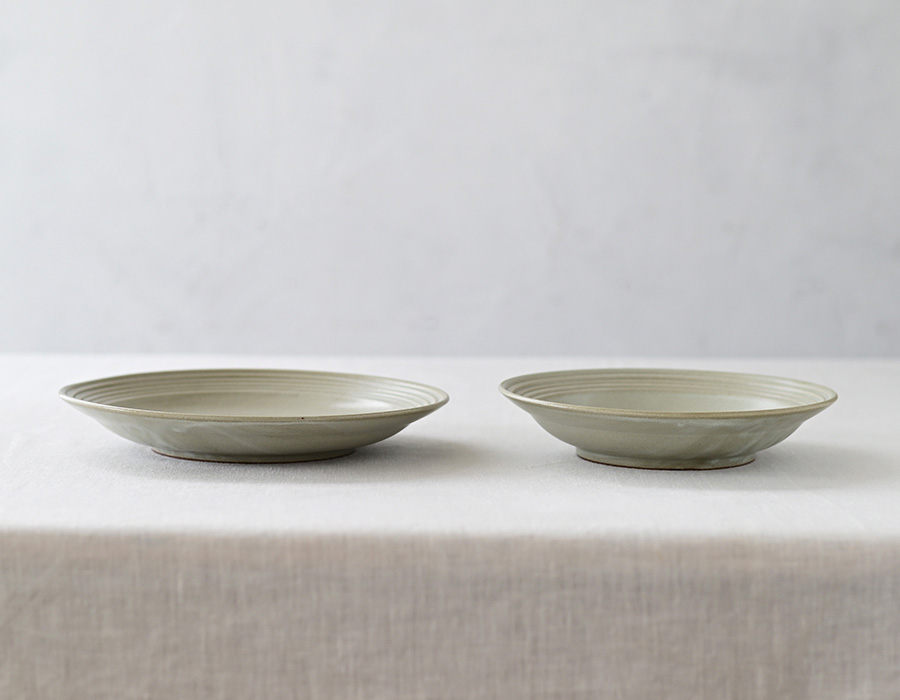
Versatile tableware collection designed for everyday use. Defined by graduated grooved lines that broaden outward, creating gentle shifts resulting in refined yet approachable look. 150 plate is designed with depth to add versatility. Perfect for side dishes and as an individual serving plate.


毎日の食卓で使いやすい「リーハ」

少し深さのある、日常使いにぴったりの器「リーハ」。汁気のある料理も安心して盛り付けられるおおらかな形で、普段の食事に自然と取り入れやすいシリーズです。
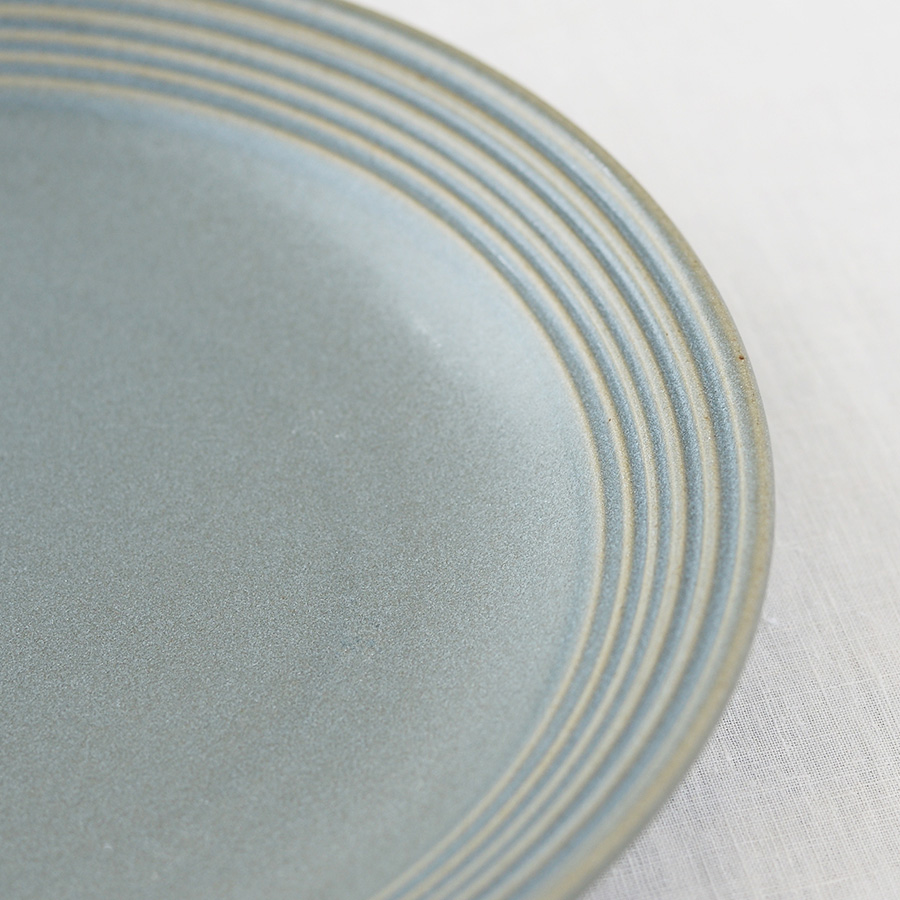
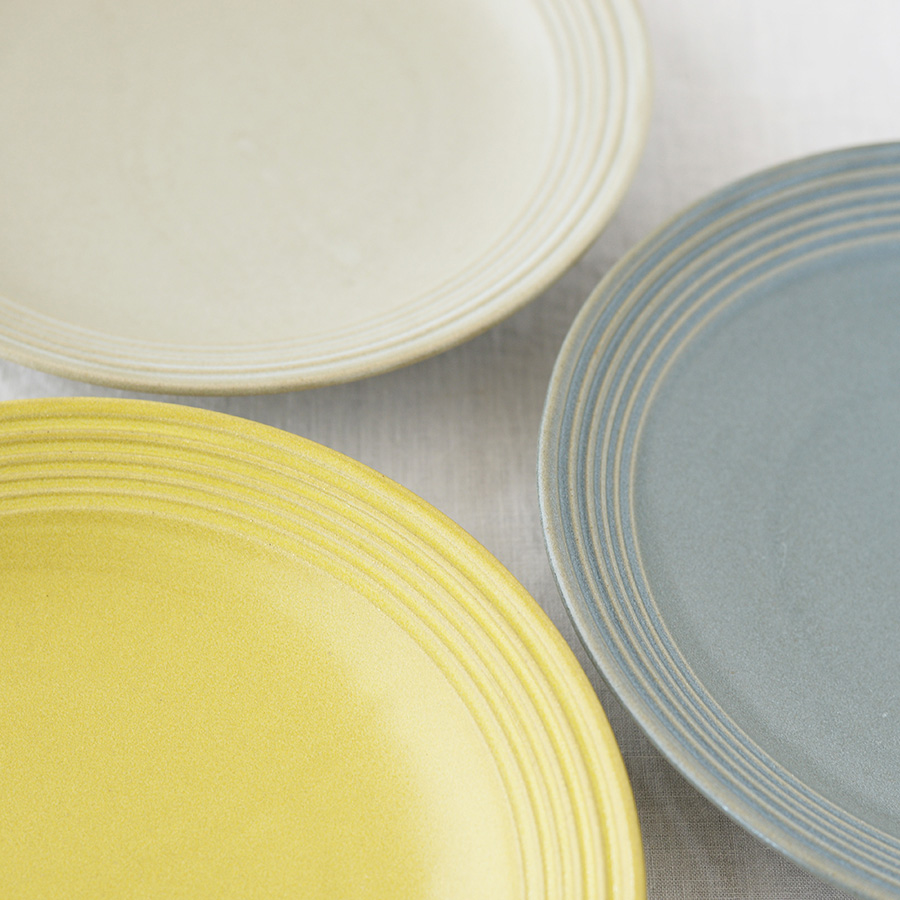
「リーハ」は、チェコ語で「筋」や「溝」を意味する言葉。リムに施された特徴的な筋模様が、シンプルな形にさりげない表情を添えています。筋の太さや間隔には変化があり、整いすぎない自然な揺らぎを感じられるのも魅力です。
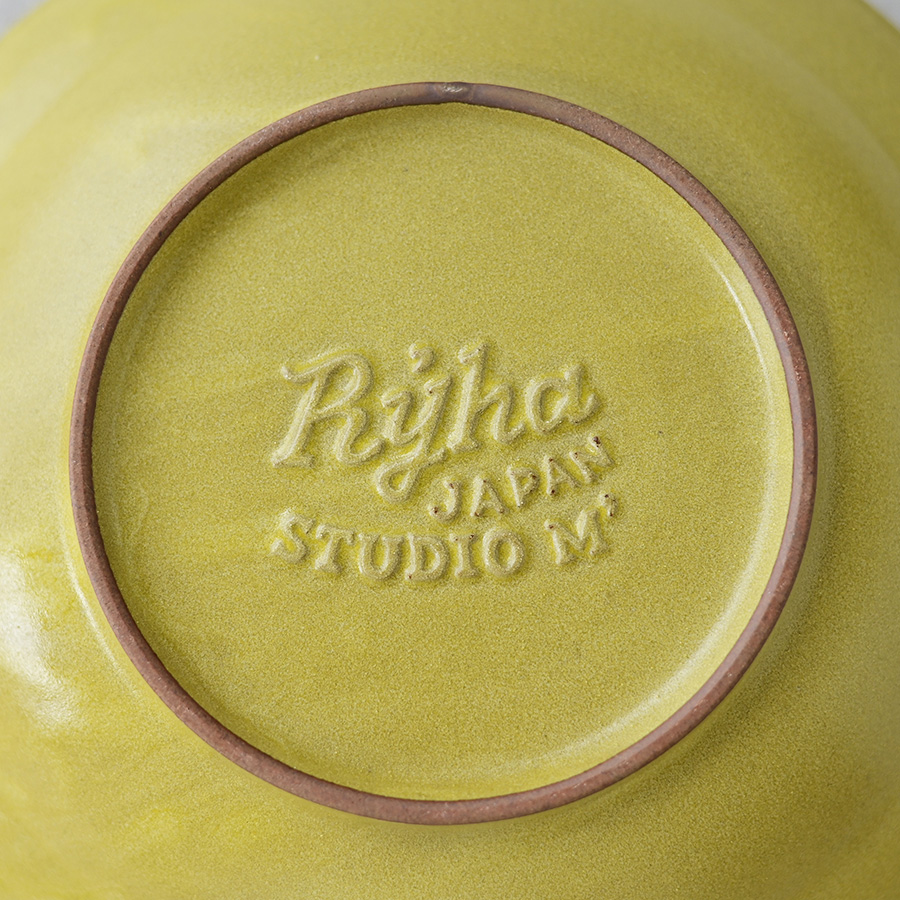
筋や裏側のロゴは立体感が出るように仕上げられており、焼き上がりによって赤土の風合いや縁の焦げ感が現れることも。一つひとつ異なる、焼き物ならではの表情を楽しめます。
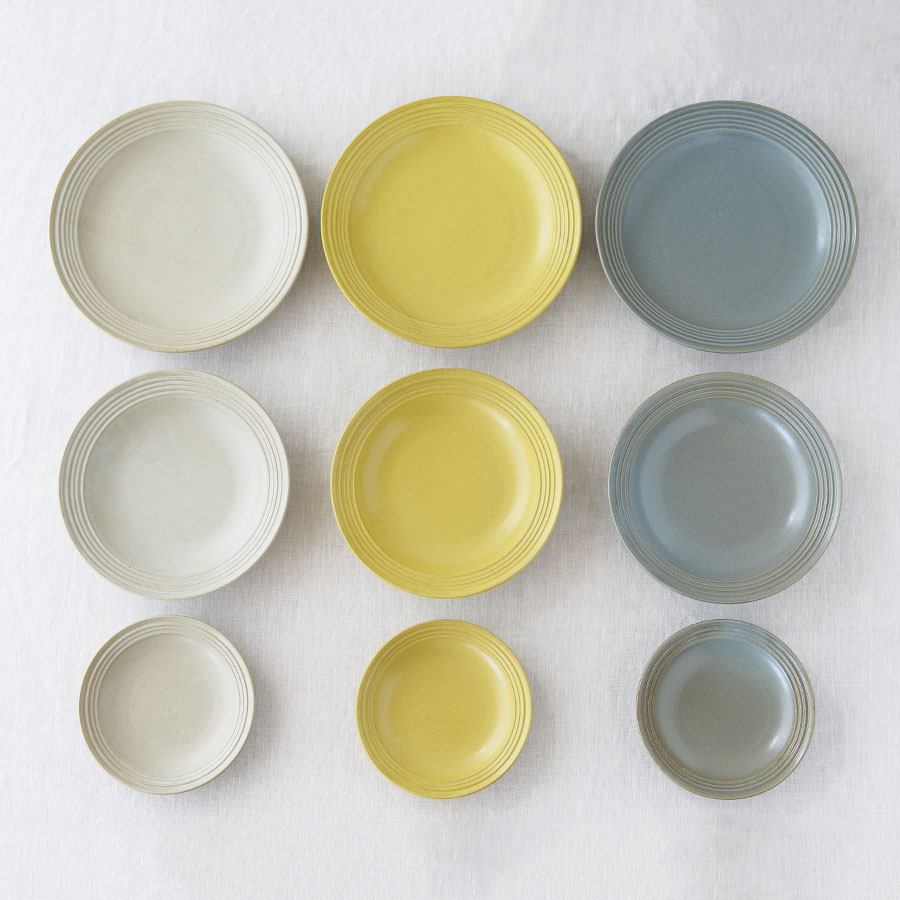
 

料理に合わせやすい3色

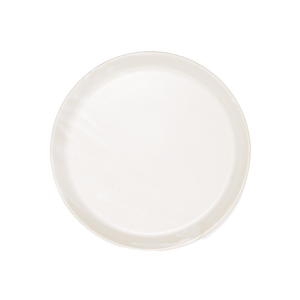
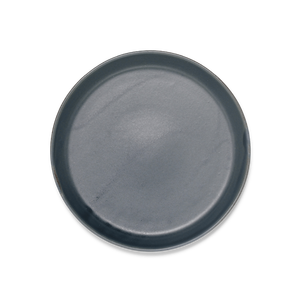
カラーはアイボリー、イエロー、グリズの3色。

アイボリーは少しグレーみを含んだ馴染みのよい色。イエローは明るく鮮やかで、食卓に軽やかな印象を添えます。グリズは青みを帯びた落ち着いたグレーで、料理をすっきりと引き立てます。

いずれも赤土にマット釉を施しており、釉薬の濃淡や色ムラ、縁の焦げ感など、それぞれに異なる表情が生まれます。
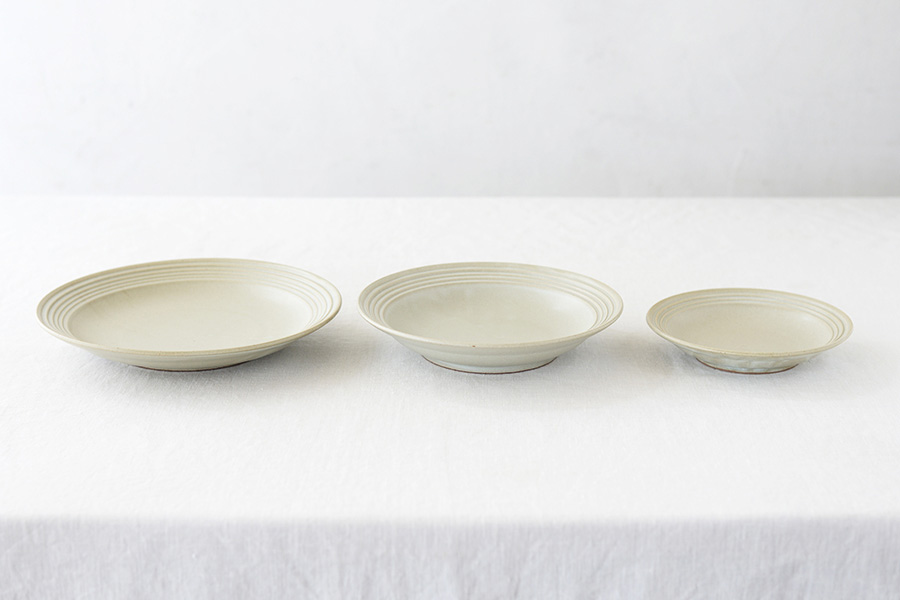
 

料理に合わせて選べる3サイズ

サイズは230プレート、200ボウル、150プレートの3種類。それぞれ使いやすい深さに仕上げられています。
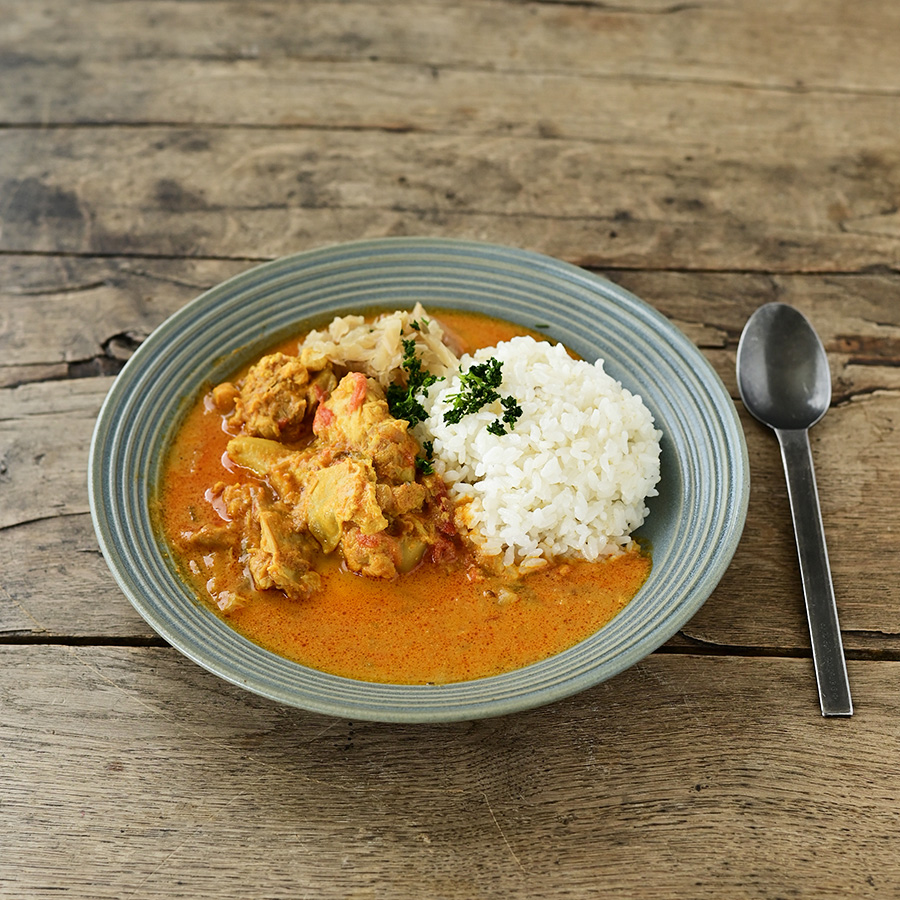
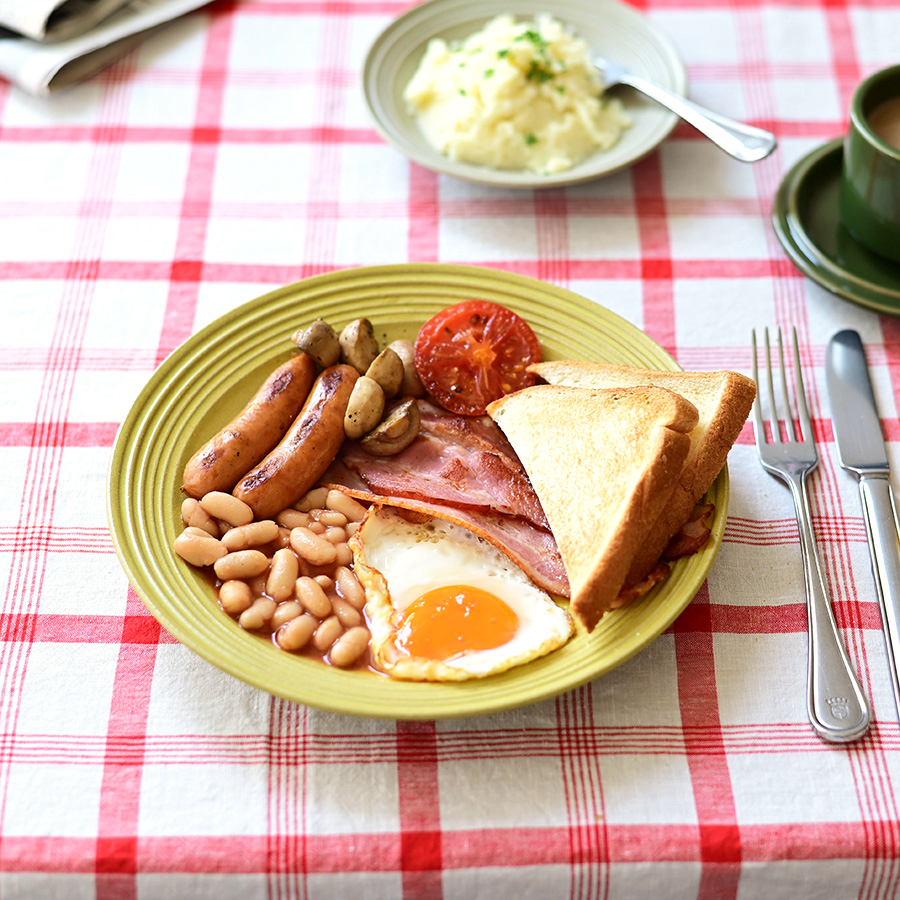
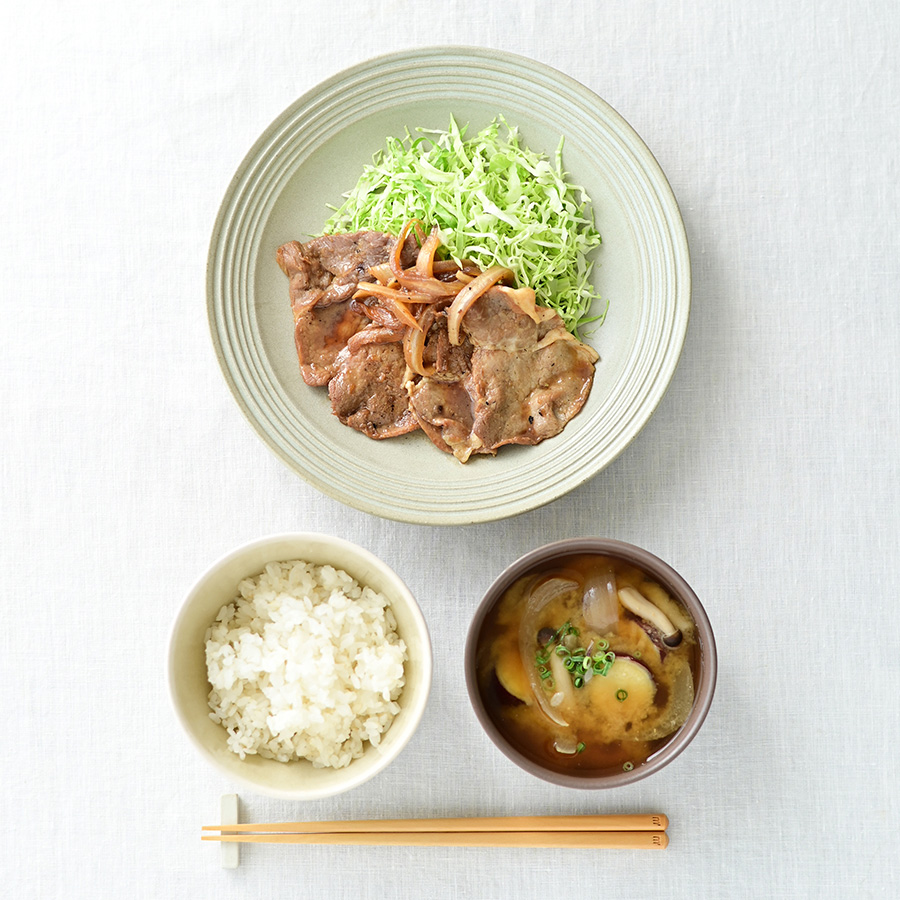
230プレートは、ナイフやフォークを使いやすい深さがありながら、汁気のある料理も盛り付けやすい形。
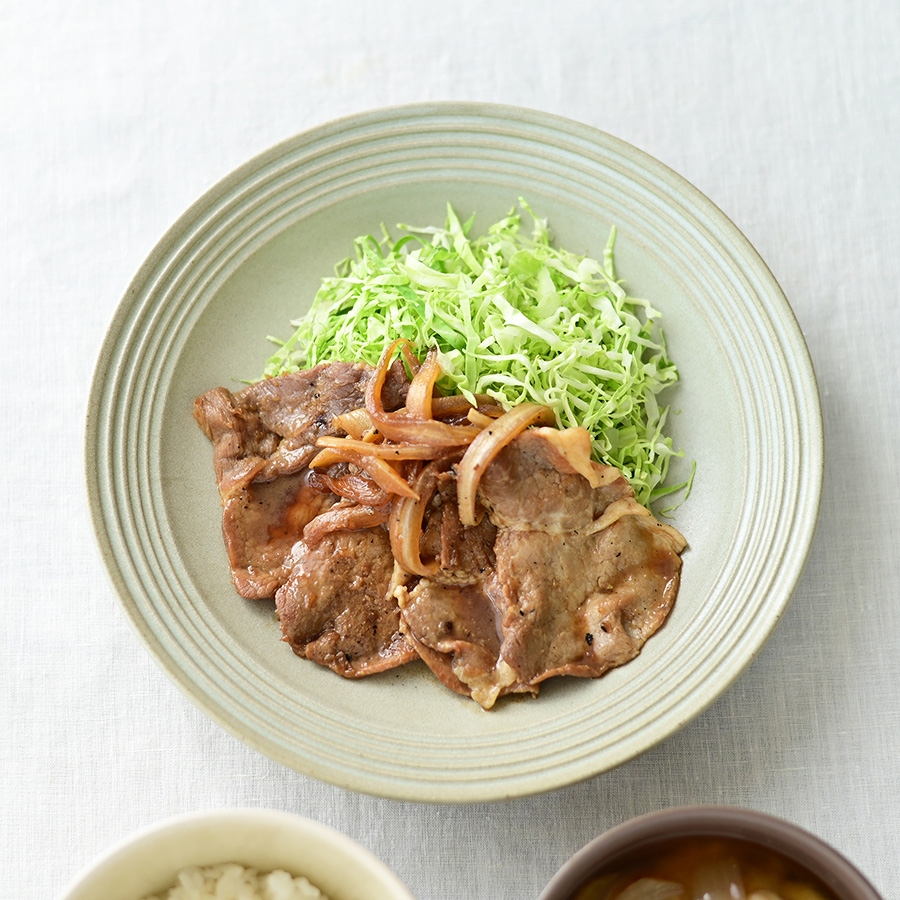
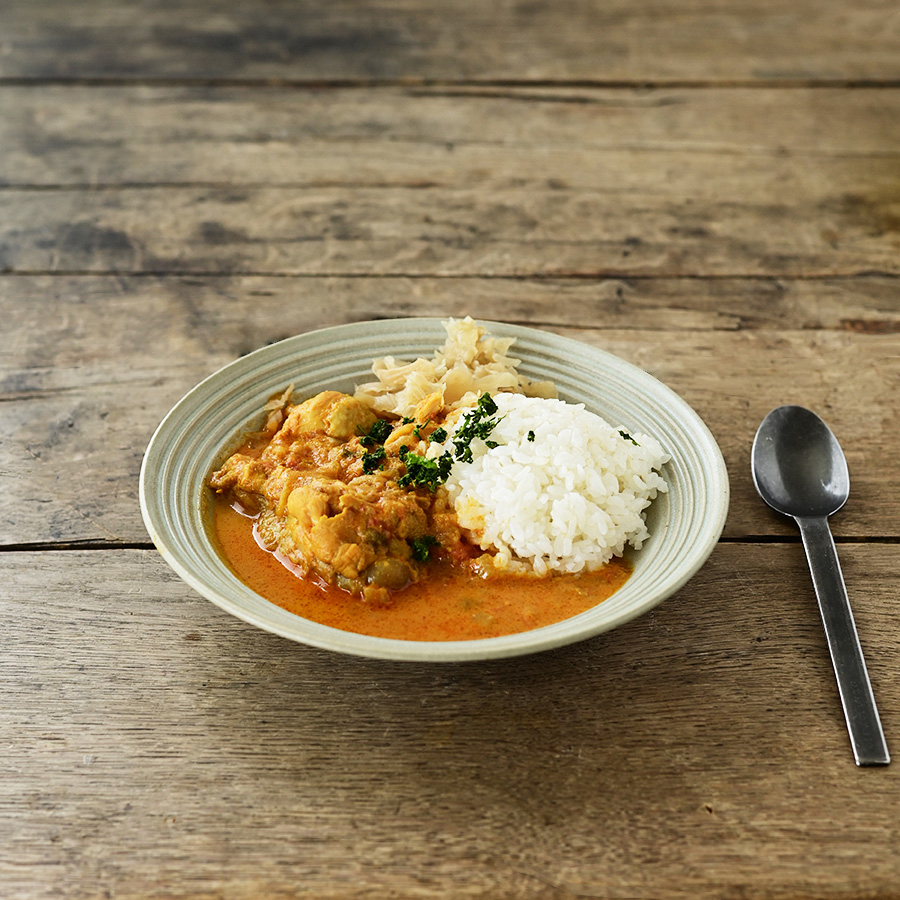
ワンプレートの朝食や生姜焼き、カレー、パスタなど、主菜にも活躍します。
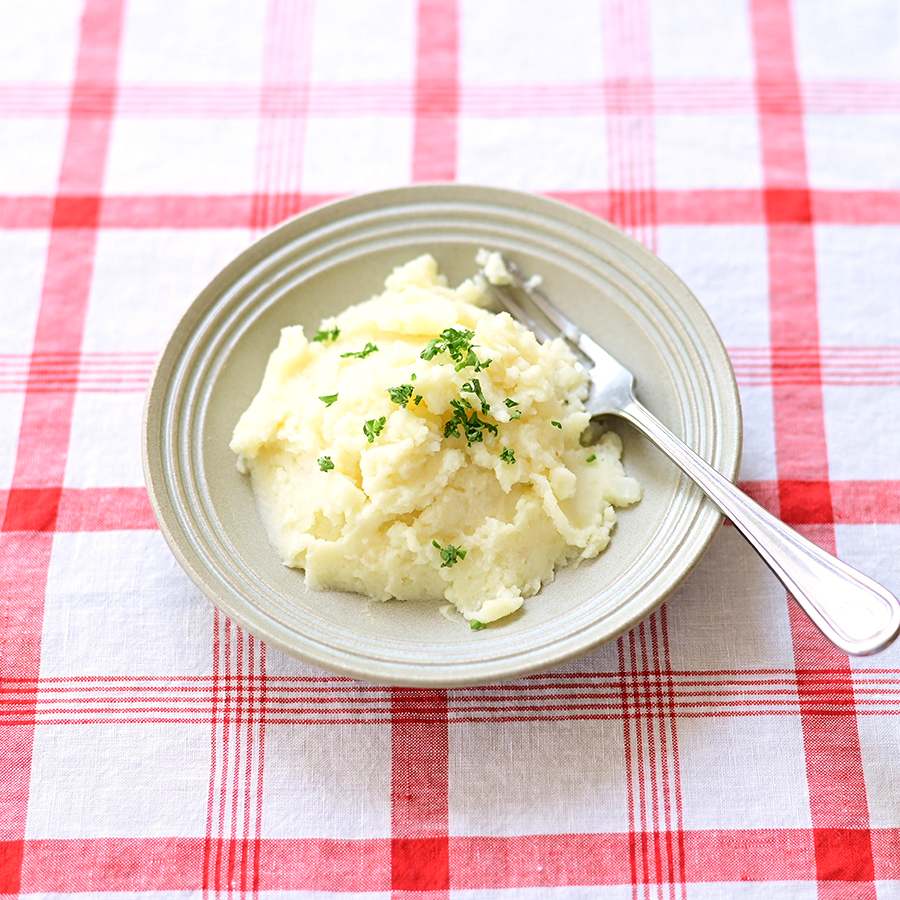
 

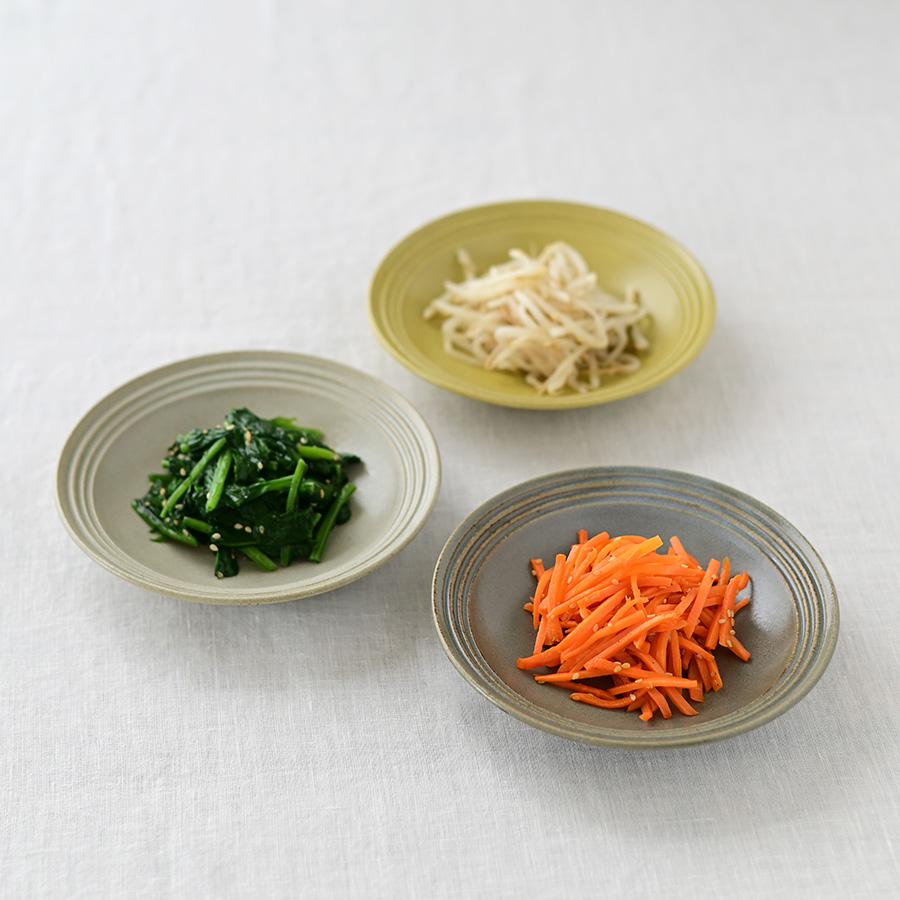
150プレートは、230プレートより少し深めのつくり。サラダの取り分けや副菜の盛り付けなど、取り皿としても小鉢としても使いやすいサイズです。
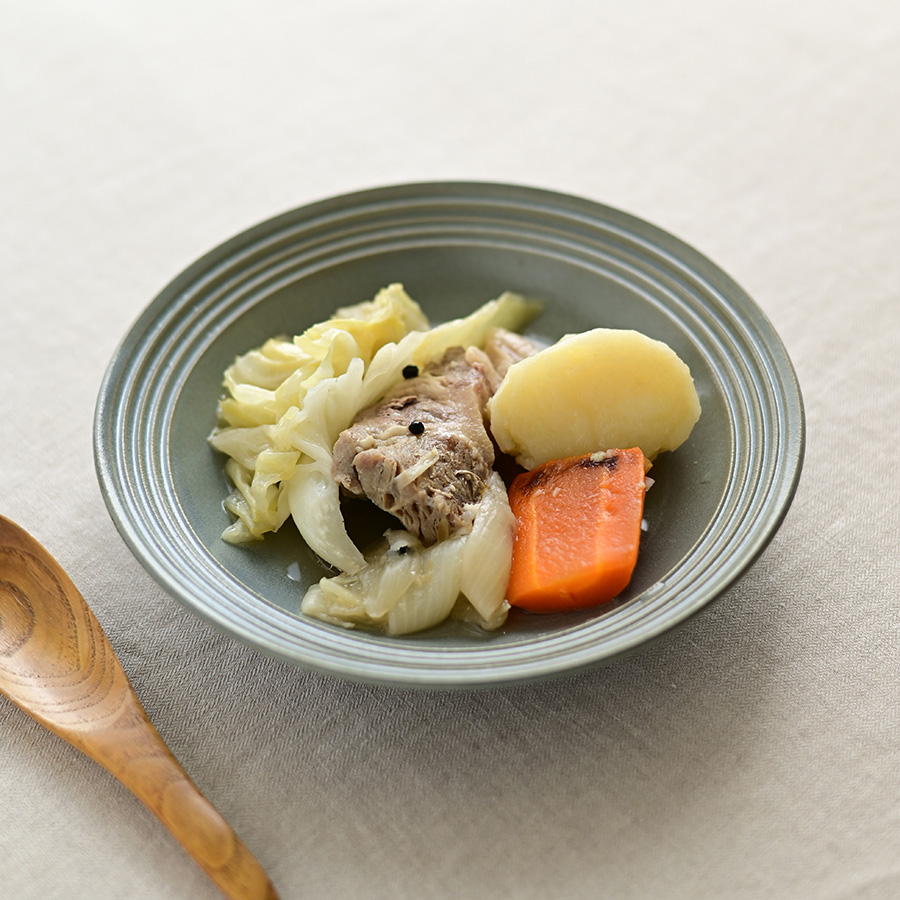
 

200ボウルは、スープや煮込み料理をゆったり盛り付けられる、しっかりと深さのある形。シチューやポトフ、煮込みハンバーグをはじめ、麻婆豆腐や炒飯にも使いやすく、少なめのカレーやパスタにもおすすめです。
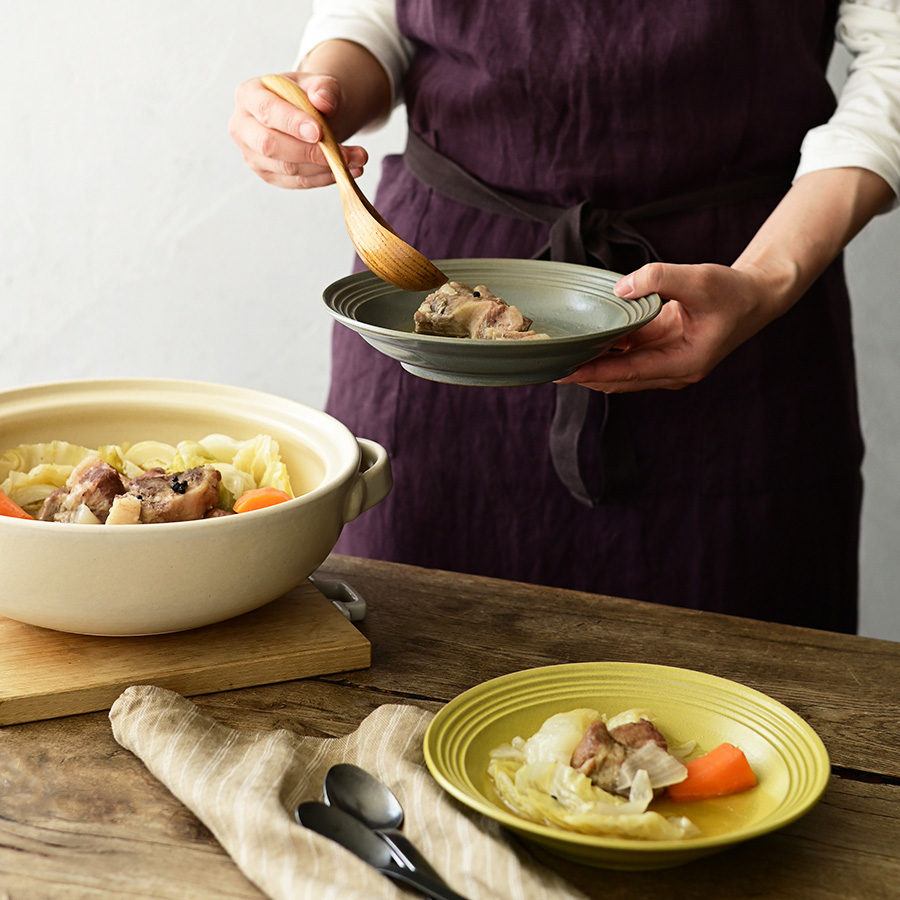
 

リムの筋模様が料理のさりげないアクセントになりながら、毎日の食卓にも馴染みやすい「リーハ」。料理や用途に合わせてサイズや色を選び、普段の食事に気軽に取り入れられるシリーズです。

Recently Viewed Products