Now Loading...

閉じる

Shipping Schedule

Shipping takes place on 10:00 a.m. ~ 19:00 p.m. business days.
Shipping is not available on weekends and holidays.

Same Day Delivery

Same day delivery is available for orders submitted before 12:00 noon, payments by credit card, and with all items in stock.
Excluding weekends and holidays.

ギフトラッピングについて

全ての商品はギフトラッピングが可能です。「ギフト」画面からギフトラッピングを商品と一緒にご注文ください。

※セット数や受注状況により発送までに多少お時間をいただく場合があります。お急ぎの場合はご相談ください。

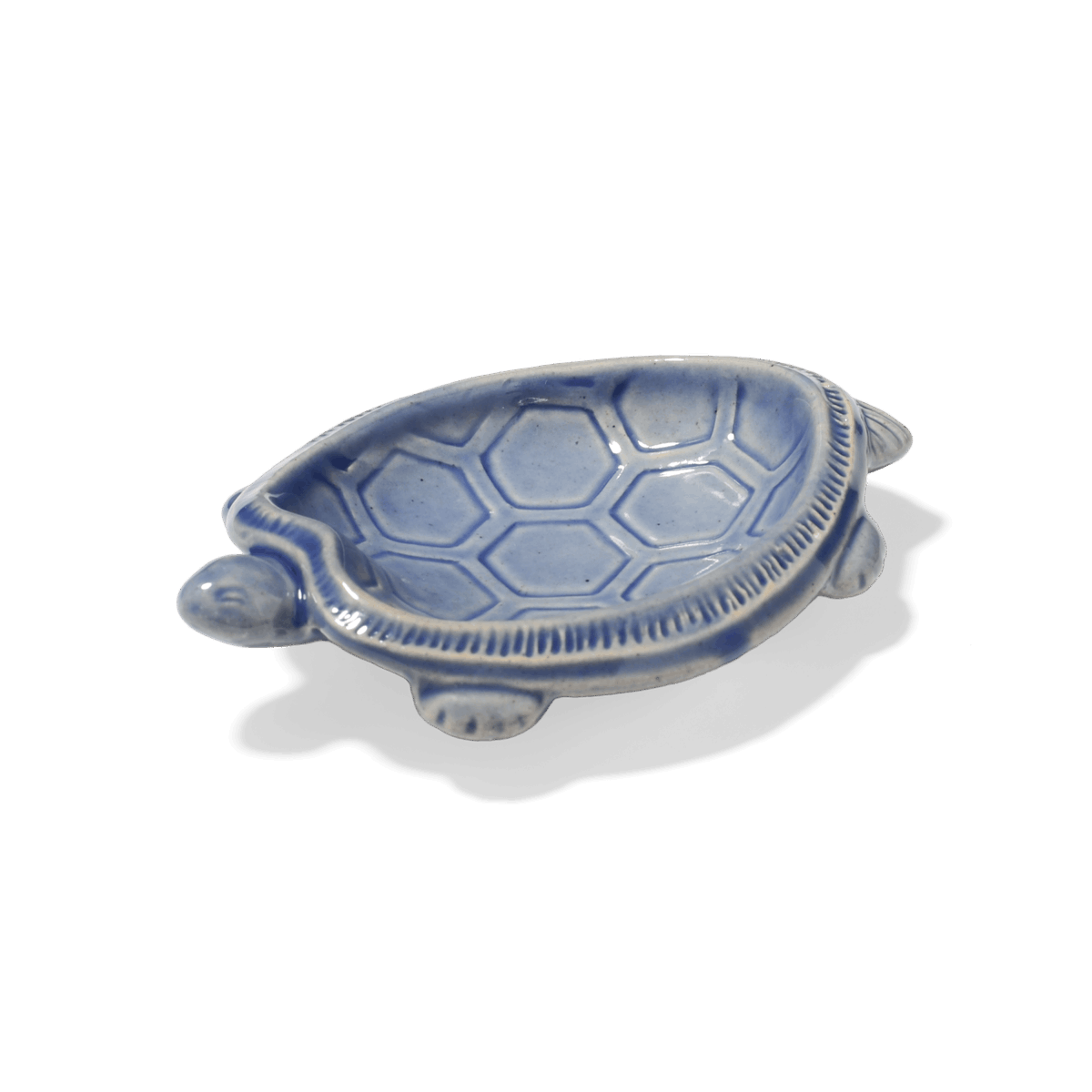
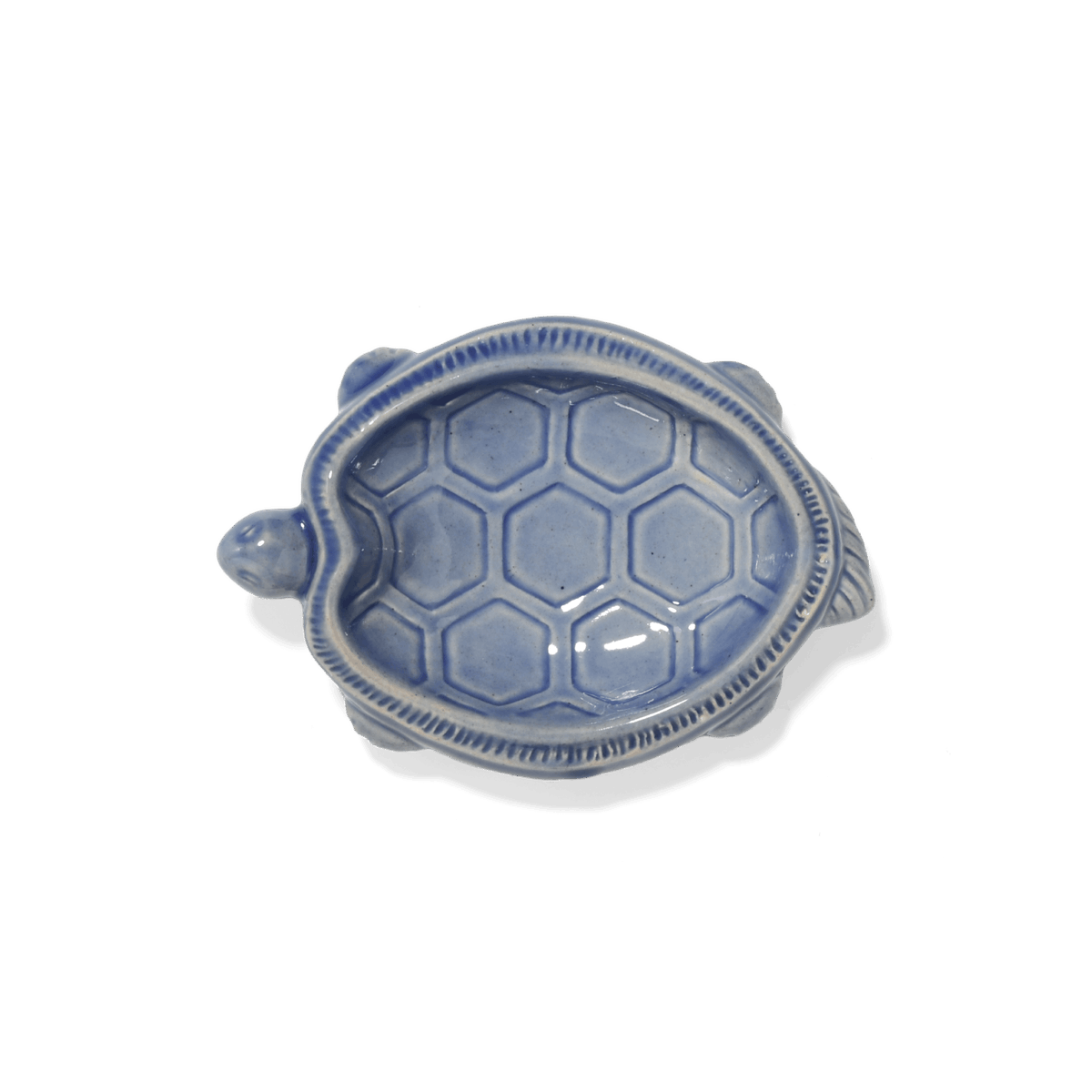
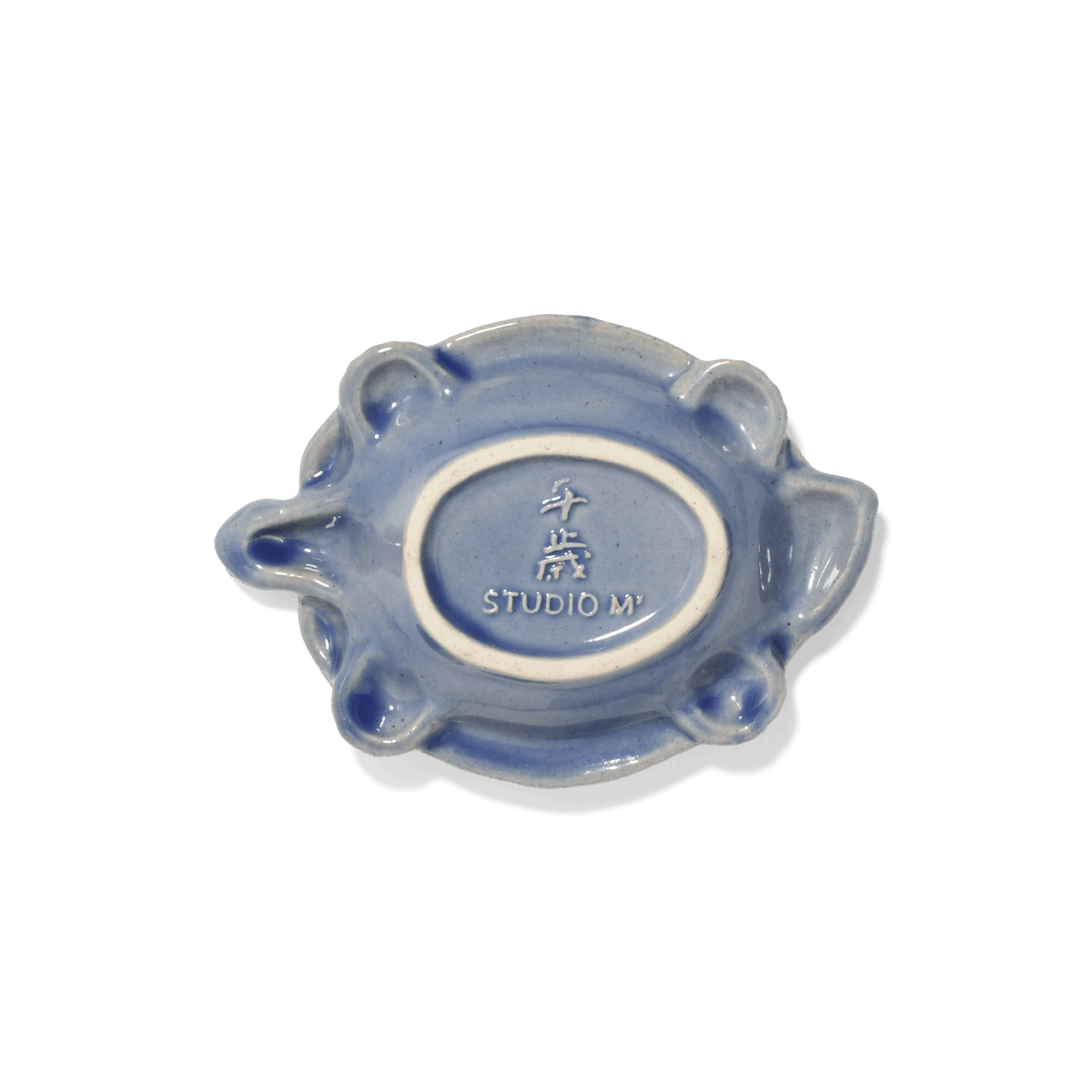
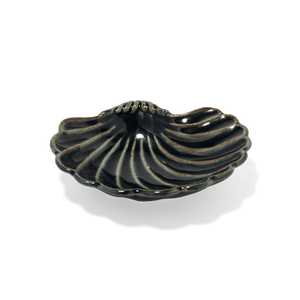
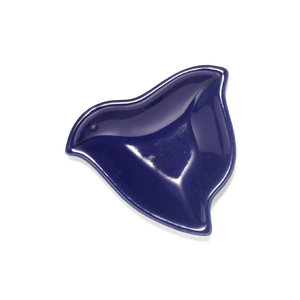
Chitose turtle mini plate

studio m'

  • $15.94
Color
blue
On backorder
This product will be shipped on 2026/09/10
About Product Stock Display

About Product Stock Display

The stock displayed reflects the inventory available at Marumitsu Poterie Inc. headquarters.
Since orders are also placed through channels other than the web store, the displayed stock status is not updated in real-time.
In rare cases, even if your order is completed, the item may not be secured. Thank you for your understanding.

If you need the item urgently, our staff can check the availability for you. Please contact us using the link below.

Contact Us
    

Product Information

Size

φ:直径 / W:幅 / D:奥行 / H:高さ / L:長さ

( )の数字は有効寸法です。

※多少の誤差が生じます。

容量:30cc

※多少の誤差が生じます。

○内容量表示は、満水の状態で計測しています。

○蓋物の商品は使用するにあたり推奨する容量です。

○内容量表示は、概ねの目安として下さい。

Handling
  • Season Ceramic Wares
  • About Seasoning earthenware

    Ceramic is not as strong as porcelain or semi-porcelain, and its high water absorbency makes it susceptible to staining and, in rare cases, water leakage.
    We recommend that material number 1 be sealed before use.
    Material No. 9 should be treated by cooking porridge before use.
    *Sealing reduces the absorption of cooking ingredients and stains. However, it does not prevent them from being absorbed completely.

  • Microwave Safe
  • About Microwave Safe

    A microwave oven heats or cooks food very quickly using short electromagnetic waves, namely, microwaves. In most cases, the microwaves heat the water content of the food. However, in some cases, the microwaves concentrate on the carbonized (burnt) parts of the food, causing the temperature to rise higher than the other parts. For example, the microwaves concentrated on the carbonized (burnt) parts of stir-fried vegetables can create a large temperature difference in /on the tableware item, which may cause breakage. In addition to water content, oil content is also heated. The oil has a higher boiling point than the water, so it heats up at a higher temperature, creating a very large temperature difference between the parts that contain oil and the parts that do not, which can cause breakage.

    ・Never soak hot tableware in water or place it on the cold kitchen counter. Avoid rapidly heating frozen foods or putting [the cold tableware just taken out of the refrigerator] in the microwave. A rapid change in temperature will lead to “crazing” (chaps) or breakage.

    ※The products with gold or silver paintings, or applied with particular glazes are not microwave safe. We put a “Do Not Microwave” sticker on those items, so please confirm it.

    ※Accessories etc., made of other materials are excluded from microwave safe items.

  • Not Oven Safe
  • Dishwasher Safe
  • Notes on dishwasher use

    As for the products without the "Not Dishwasher Safe" stickers, please make sure to use them keeping the below matters in mind.

    ※If tableware items collide each other in the dishwasher, they will get broken.

    ※Most ceramic items absorb water. Even if the surface looks dry, there may still be some water in the tableware, which may cause your tableware to get moldy or smelly. So, please take it out of the dishwasher immediately after use, and dry thoroughly in a place where it can be exposed to the outside air.

  • Not Open Fire
Features
  • Color Shade Variations
  • Color Shade Variations

    Each piece has individual color shade variations. Affected by glazes and natural firing conditions such as changes in temperature, humidity and other climate elements and also how to receive the fire in the kiln chamber, each piece has own expression. It is really difficult to make the completed ware exactly same in color by firing and glazing even when the same materials are used. 100 pieces show 100 kinds of expressions, as it were.

  • Color Irregularities
  • Color Irregularities

    There are color irregularities of applying a glaze or slip, which are different from part to part in a piece of ware. For example, some parts are glazed thinly or thickly depending on the shape of the ware. That leads to part-to-part subtle differences in appearance of the clay in a piece of ware.

  • Glaze or Slip Drips
  • Glaze or Slip Drips

    The glaze or slip may look like dripping. There is unevenness of a glaze or slip when they are applied to ware by hand. There also appear glaze drips or slip drips, which are caused by the glaze or slip flows during firing.

  • Pinholes
  • Pinholes

    Pinholes may be seen clearly on the surface. Pottery (earthenware) is mainly made from earth, and green ware contains a lot of air while biscuit firing. While glazed firing, this air inside the biscuit ware becomes air bubbles, which remain and look like small holes on the surface of the glazed part. Those small holes are called pinholes.

  • Crazing (Chaps)
  • Crazing (Chaps)

    Crazing (having chaps) may appear clearly on the glazed part. The “direct” crazing means having chaps originally. The “aging” crazing means having chaps over time as you use the tableware item. There is a difference between the shrinkage rate of the glaze and that of the clay, so crazing occurs. Note that those cracks do not come from the damage of tableware items. They might appear just before use, but it is no problem in terms of use. They appear on the surface of pottery (earthenware) and semi-porcelain.

  • Iron in Powder
  • Iron in Powder

    Iron in powder may be seen clearly on the surface. Pottery (earthenware) is made from earth, which contains iron. After firing green ware, iron appears on the surface in the form of black dots. Red or black earthen clay contains much more iron, and as a result, not a little iron in powder may appear on the surface of tableware items made from this type of clay.

  • Light Pink Marks
  • Light Pink Marks

    Light pink marks may appear on the surface of tableware items. They appear when a component of the base clay becomes oxidized and then develops a color while fired. Interestingly, each tableware item has the “one of a kind” pattern of light pink marks because they appear depending on a variety of mixed conditions such as components of the base clay, glazes and firing settings, etc. You can enjoy the unique distinctiveness that adds to your own tableware item.

Materials (Number)

Ceramics are handled differently depending on the material. MARUMITSU POTERIE attaches a material number sticker to ceramic products. Please note the material number when handling the product in order to ensure long use.

POTTERY

Features

・Seasoning earthenware before use and for the first few times are essential to protect from stains and soiling. Please refer to “How to season earthenware”.
・Do not use abrasive cleansers and metal scrubbing brushes for items with over glazed designs and decorations. It may cause damage to the over glaze.
・There are products with a crackle effect on the surface as an intended design, and there are some products that will develop crazing over time.
・Following features may be seen in some products which is derived by its material and manufacturing process.

Before using the item

・Before each use, soak in a sufficient amount of clean water and let it absorb for at least 30 minutes. This will block moisture from food and helps to prevent or reduce stains, mold and mildews. Visible spots may appear after this procedure, showing the item has absorbed water. The spots will disappear as it dries.

After use

・Even after seasoning, boiled extracts and oils will be gradually absorbed due to the porous nature of earthenwares. Wash immediately after each use and let it dry completely before storing to prevent odor, stains, mold and mildews.

マテリアルナンバー一覧

  • POTTERY色釉還元

・焼成の度合いや釉薬の性質上、色ムラや釉垂れ、焦げ感に個体差が生じます。

made in JAPAN

CODE
183632

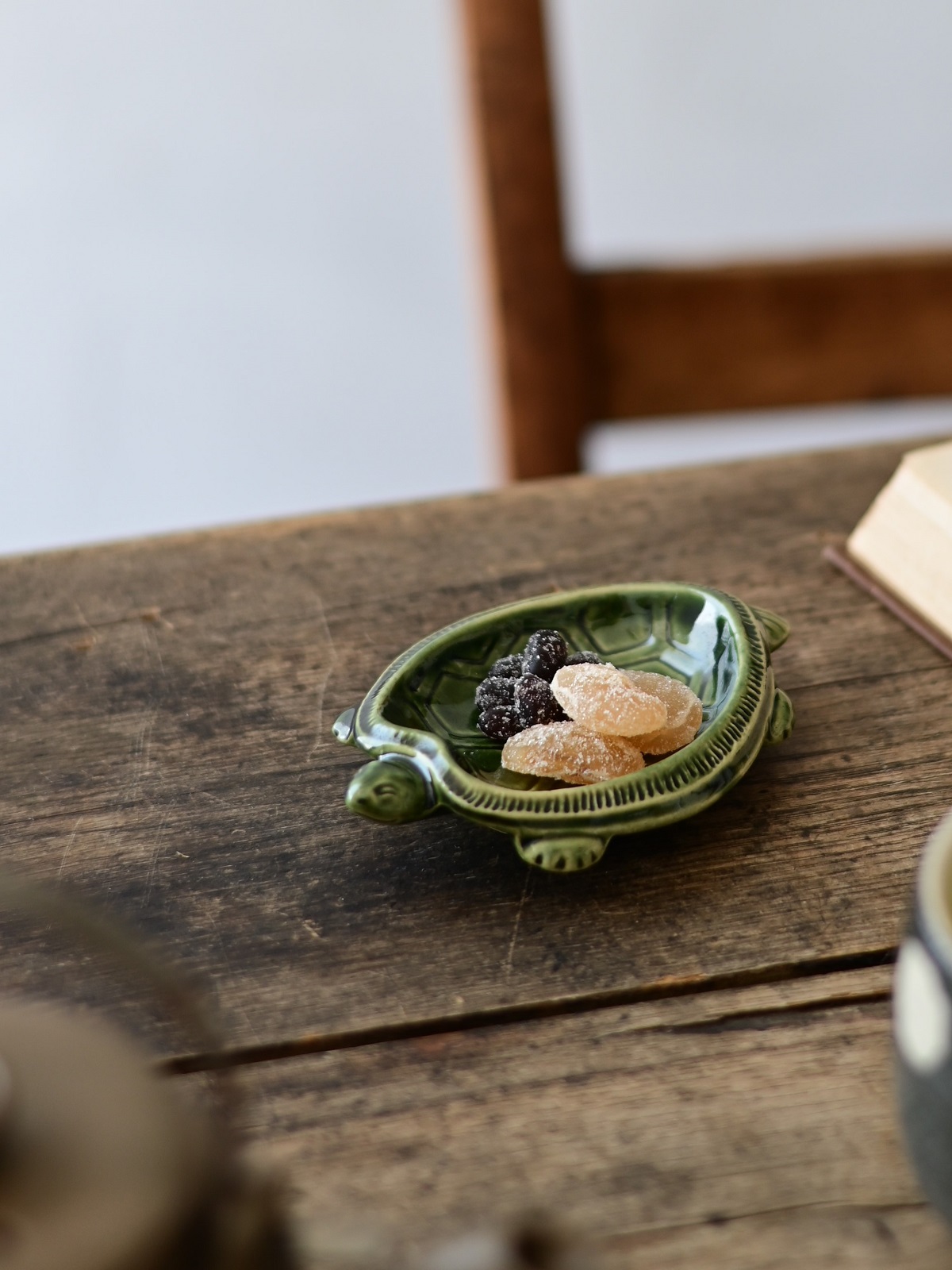
Enchanting collection with traditional auspicious motifs symbolizing longevity and prosperity. A charming small plate featuring a peaceful turtle design with soft, rounded contours. The auspicious hexagonal shell pattern and moss-like details are inspired by the traditional “minogame” turtle, a symbol of longevity and good fortune.
Perfect for serving side dishes or sweets, the turtle’s back creates a playful presentation while adding a warm and whimsical touch to the table.


千歳は、長い年月や長寿を表す言葉です。
お正月などのハレの日や、日々の食卓でも季節を問わずお使いいただける小皿シリーズです。

鶴は千年、亀は万年。

日本で古くから親しまれている鶴と亀。

陶器ならではの焦げや鉄粉などを活かし、伝統のモチーフを現代の暮らしに取り入れやすいデザインにしました。
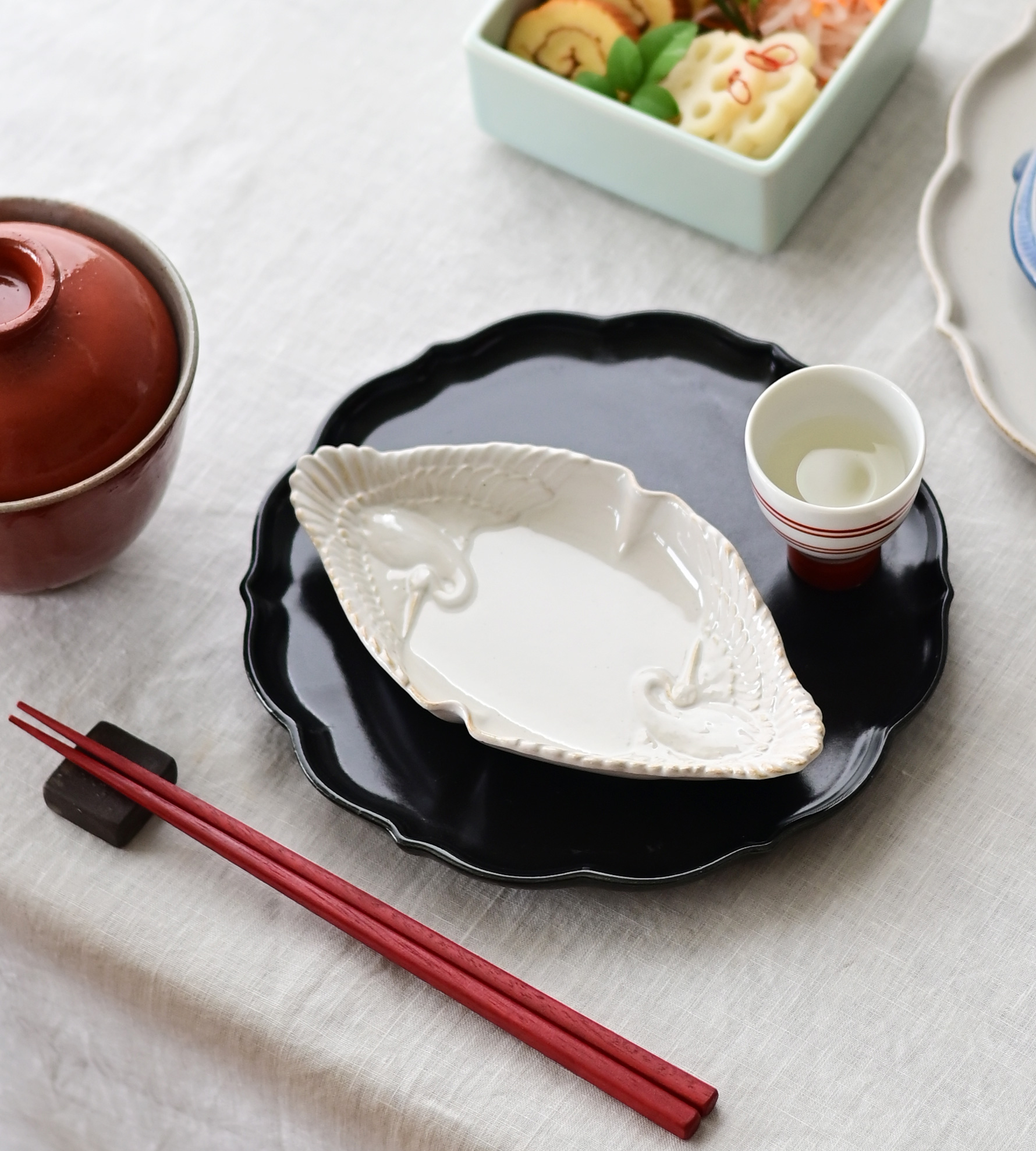
Kazahana 200 plate / Komasuji hyotan sake cup / Mubyo bowl with lid / Lacquer chopsticks 23cm / Reki chopsticks rest


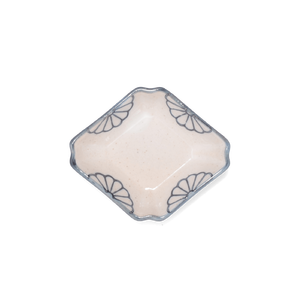
鶴菱形皿にある「向鶴」は、向かい合う二羽の鶴を描いた吉祥文様です。
生涯つがいを変えないとされることから、夫婦円満や長寿への願いが込められています。
縁起の良い菱形をベースに、羽を広げた鶴を左右にレリーフで配しました。
釉に見え隠れするひょうきんな表情がチャーミング。
うつわ中央には、ゆるりと隅入の意匠を入れてアクセントにし、軽やかな羽ばたきを表しています。
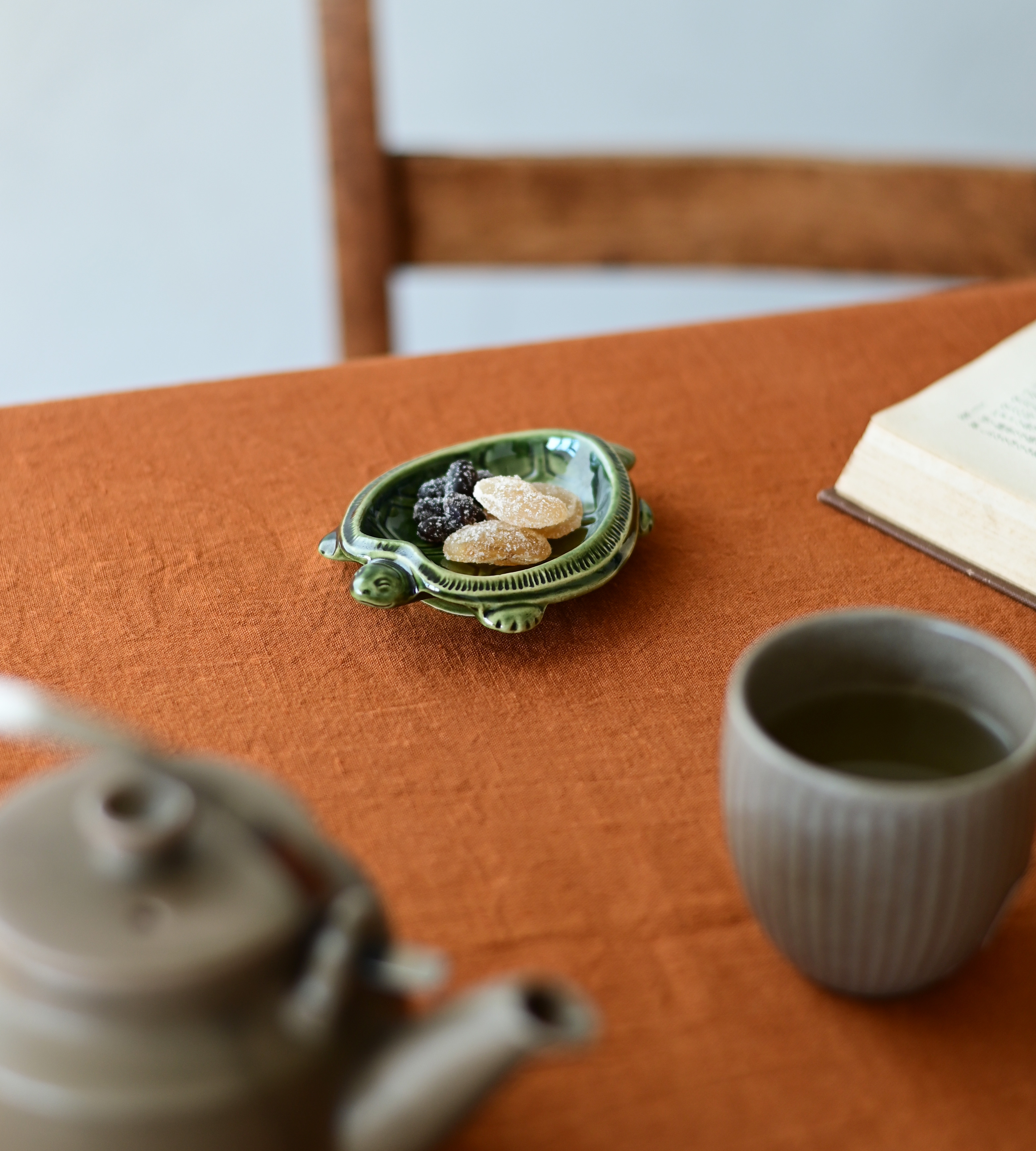
Shinogimon teacup / Srilanka S


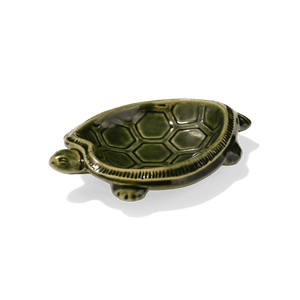
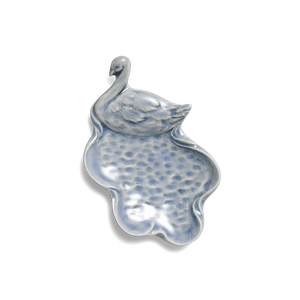
亀小皿は、亀がそのまま小皿になったようなフォルムです。
甲羅には健康と長生きを願う意味を持つの亀甲柄を取り入れ、縁起の良さを表現しました。


原型は粘土で制作。
整いすぎない手仕事ならではのゆらぎを残し、温かみを添えています。
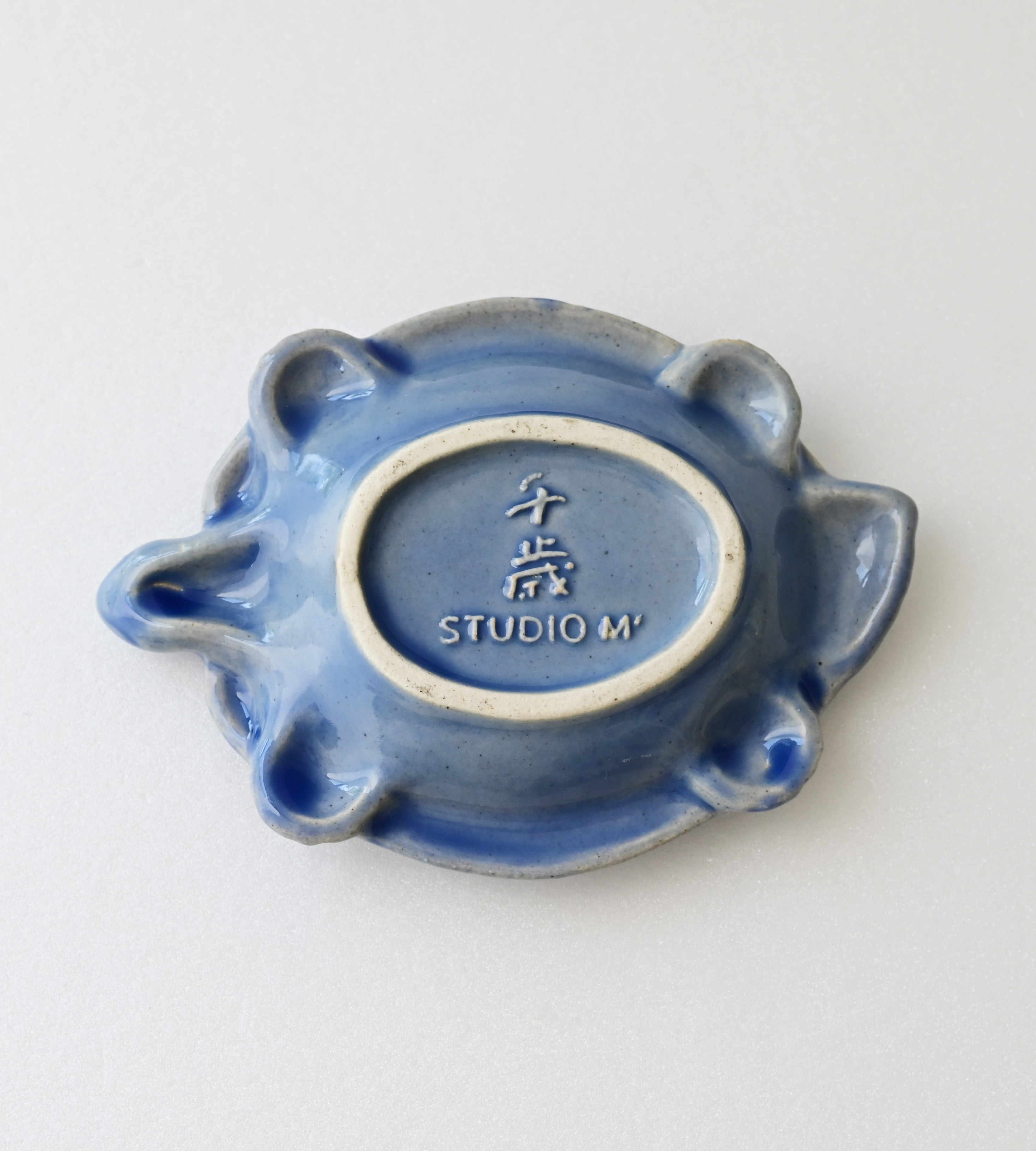
亀は頭や手足の丸みにこだわり、裏側に生まれるくぼみもなめらかに仕上げています。
どこかのんびりとした佇まいが、食卓にも自然となじみます。
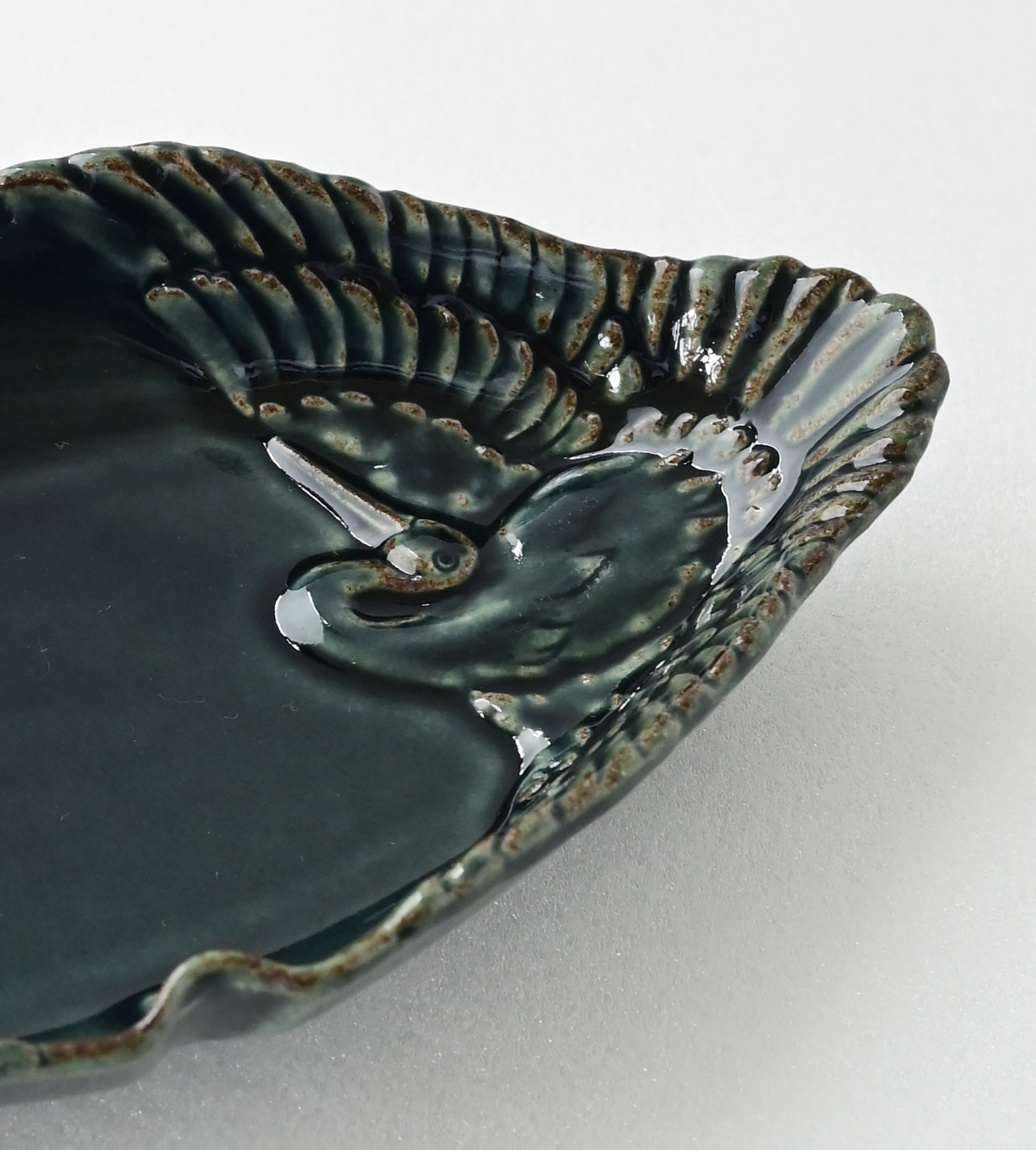
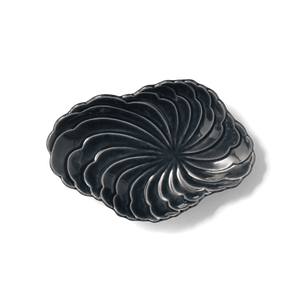
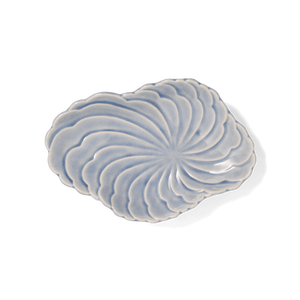
鶴は羽の並びや見え方を試行錯誤しました。
重ねて生える様子が適度にあり、料理を華やかに彩ります。
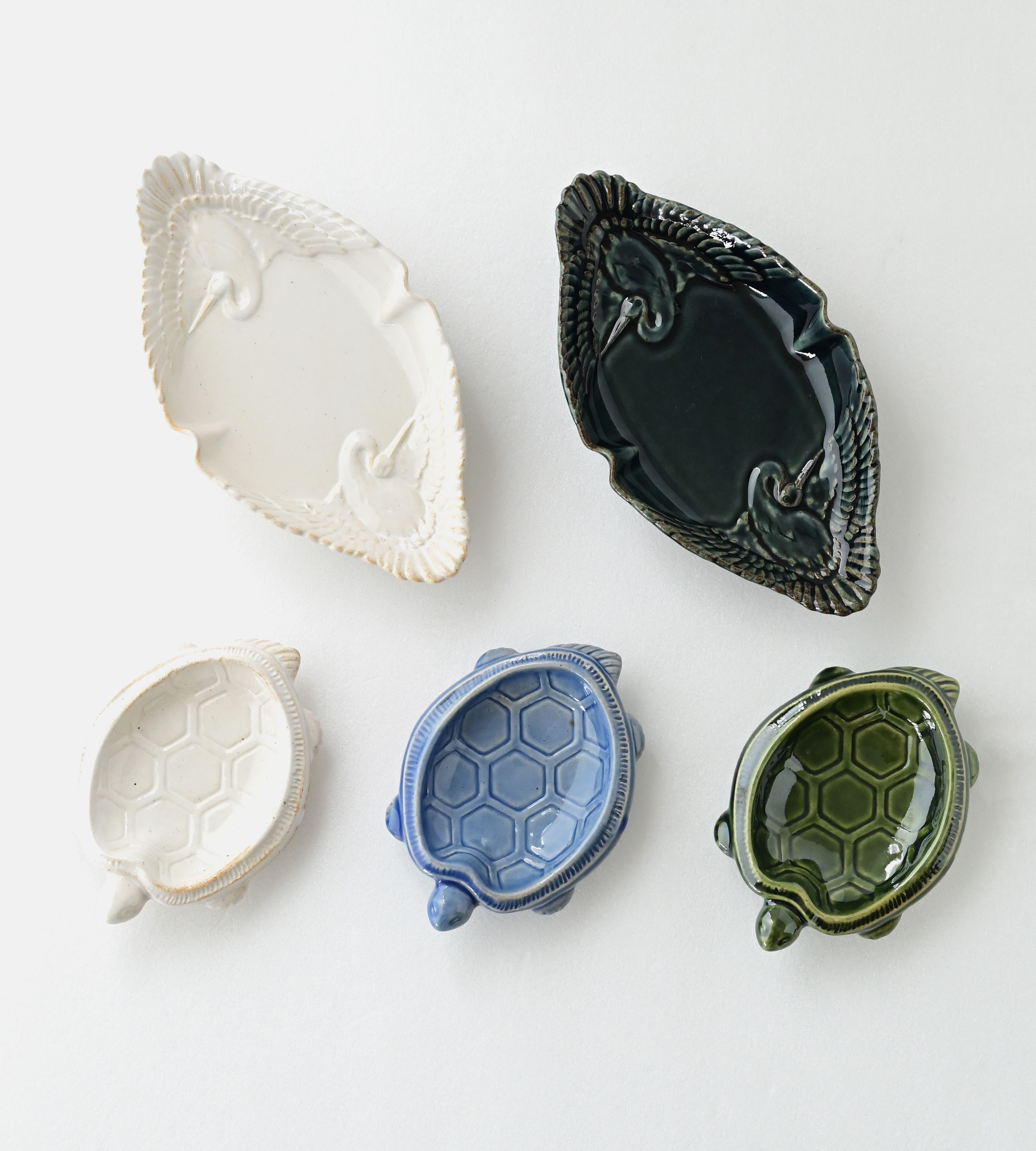
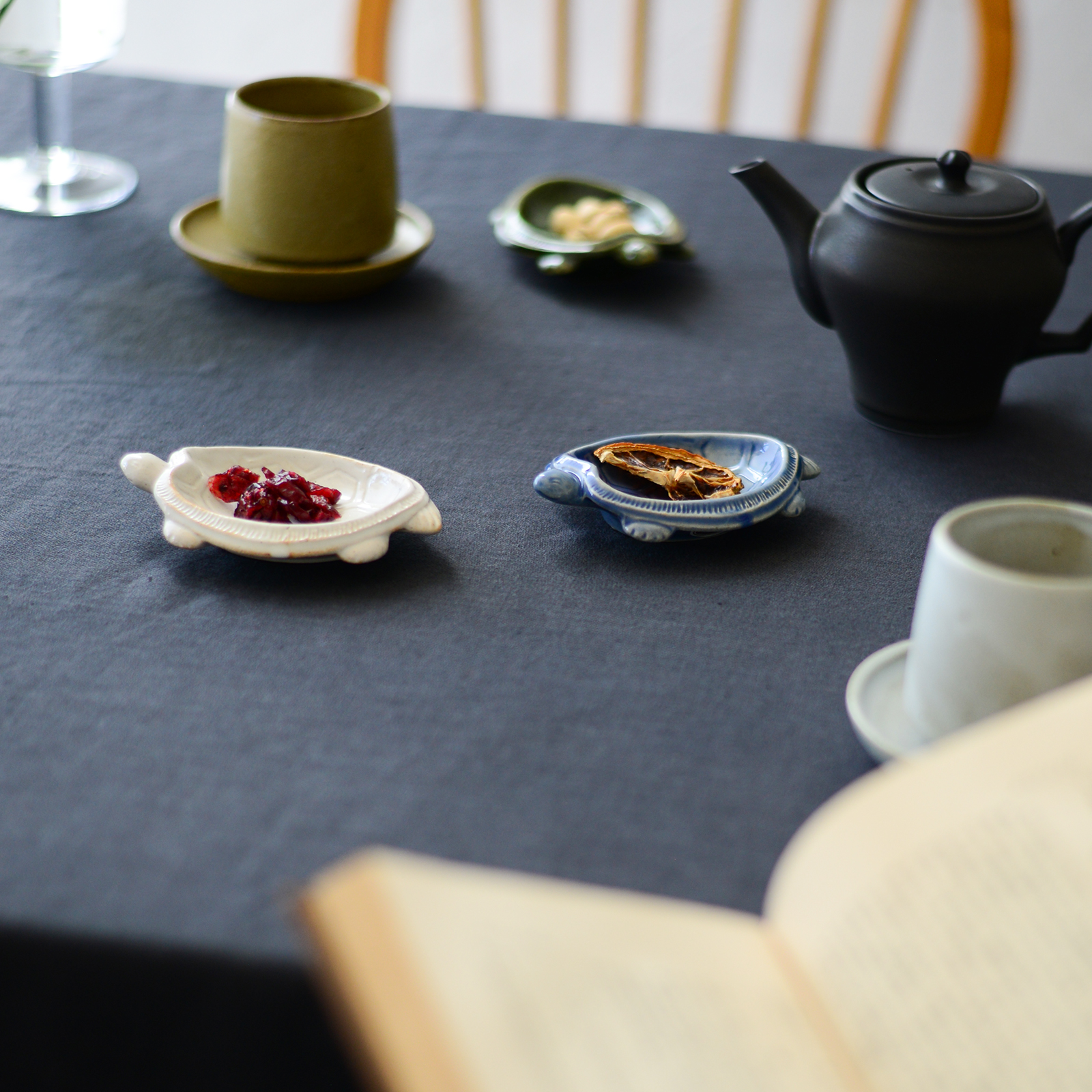
素材は白土。色の展開は鶴菱形小皿は2色、亀小皿は3色です。
それぞれの形に合う色を選び、アイテムごとにカラーバリエーションが異なります。


白(鶴菱形皿・亀小皿)
やわらかな白。
窯位置や釉薬のかかり具合によって風合いが変わり、レリーフの陰影をやさしい印象にしています。

濃藍(鶴菱形皿)
深みのある藍色。
素地の白土が透け、羽の凹凸を際立たせます。
凛とした印象で洗練された雰囲気です。

青(亀小皿)
透明感のある爽やかな青色。
釉薬の濃淡がわかりやすく、食卓を明るくします。

織部(亀小皿)
伝統釉の透き通った緑色が引き立てる亀の姿。
落ち着いた趣があり、和の食卓にもよくなじみます。
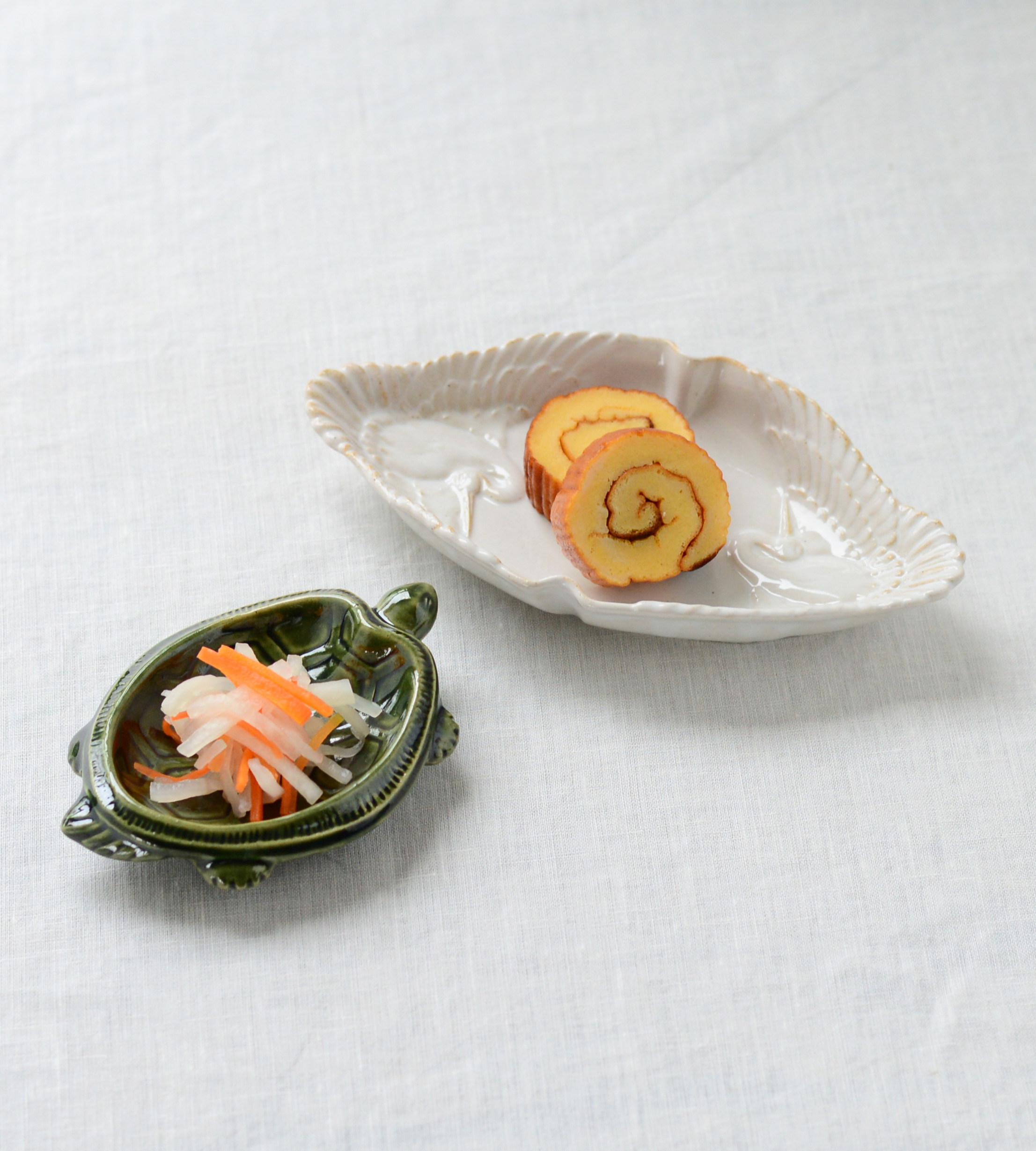
鶴菱形皿は、左右の鶴を余白に見立て、中央に料理やお菓子を盛り付けると美しいです。
上生菓子や素朴なお菓子との相性も良く、幅広く活躍します。
ふろふき大根や伊達巻などの丸い料理を合わせると、満月の空に鶴が舞う景色のよう。
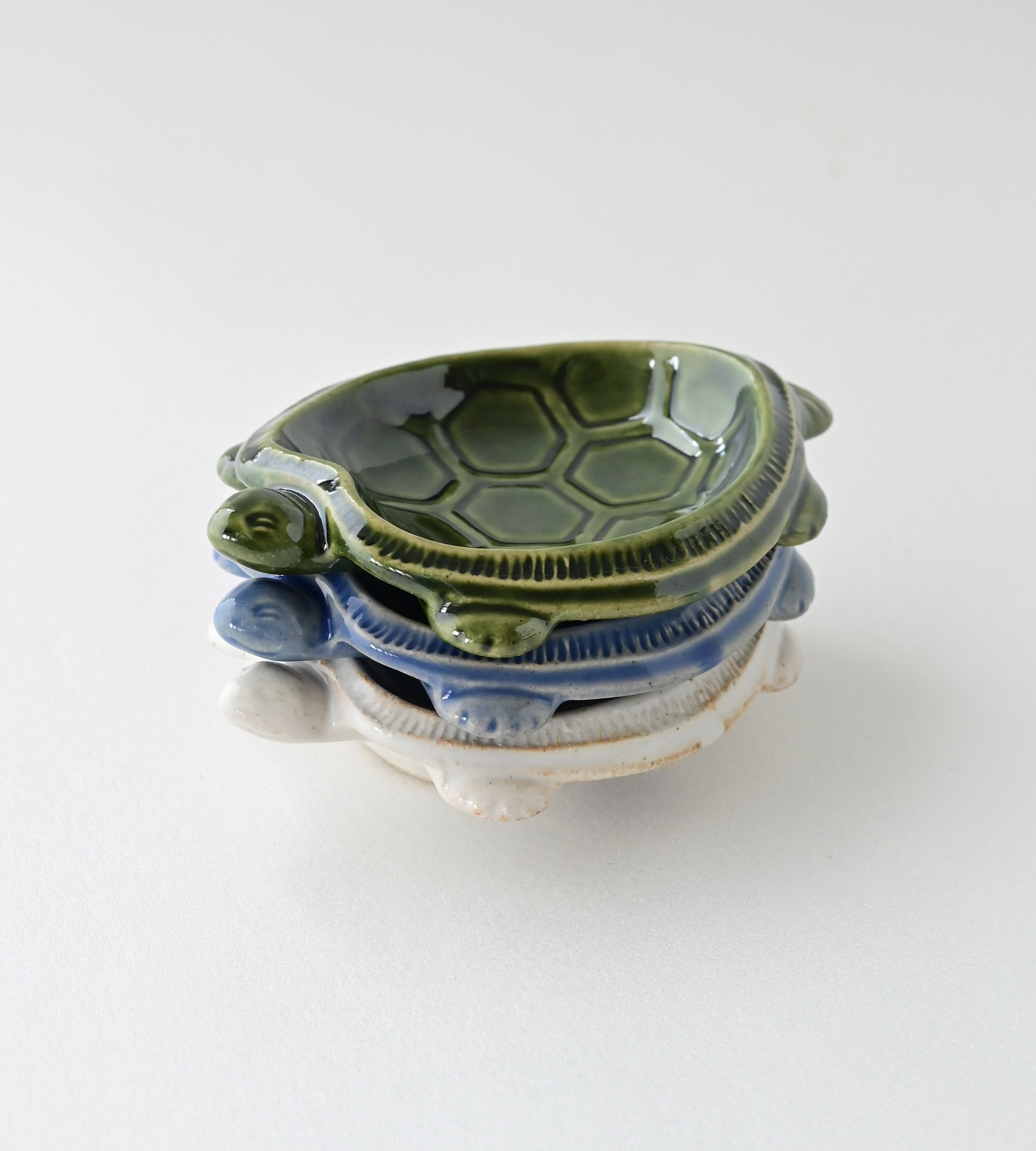
亀小皿は、副菜や薬味、醤油皿としても。背中にのせているように見えるのも、この器の楽しいところ。
重ねたときに表情がのぞく姿も愛らしいです。
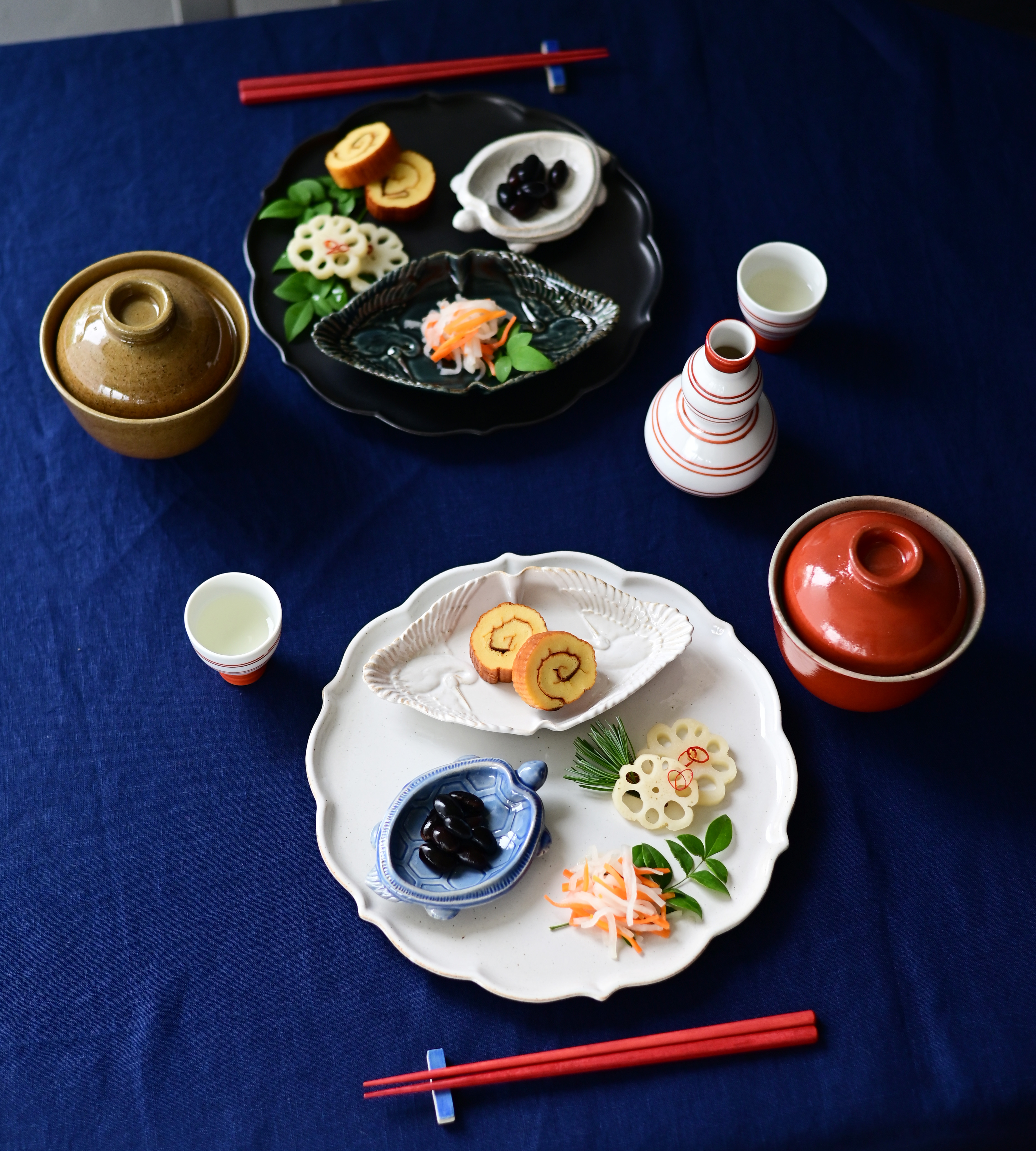
Kazahana 250 plate / Komasuji hyotan sake pitcher / Komasuji hyotan sake cup / Mubyo bowl with lid / Lacquer chopsticks 23cm / Carreau chopsticks rest

千歳という名前のように、暮らしに長く寄り添う一枚になればうれしいです。

Recently Viewed Products